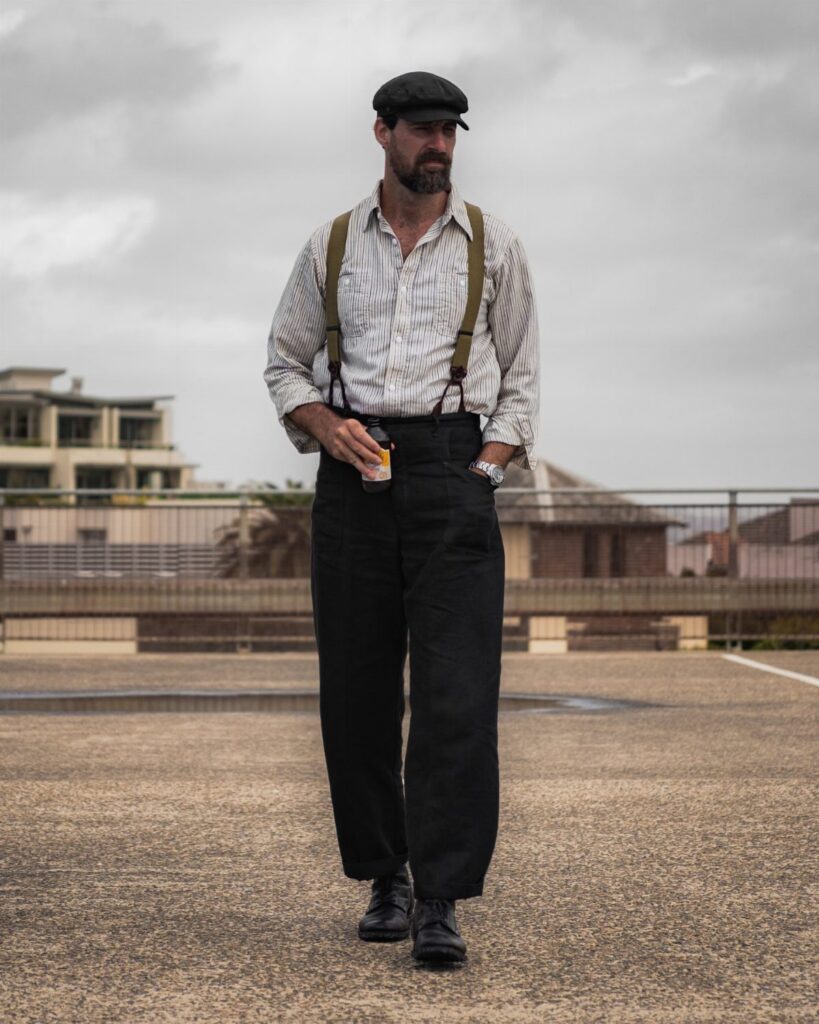
Most of this list is cheap to copy: a grooming routine takes a comb and a tin of wax, while a trench coat or a tuxedo is real money, so the span runs from small touches to full outer layers.
Weather and formality set your starting point: a hat suits a warm, dry day only if it is light, while a trench coat or overcoat with a belted waist is what a cold evening calls for.
1. Suits
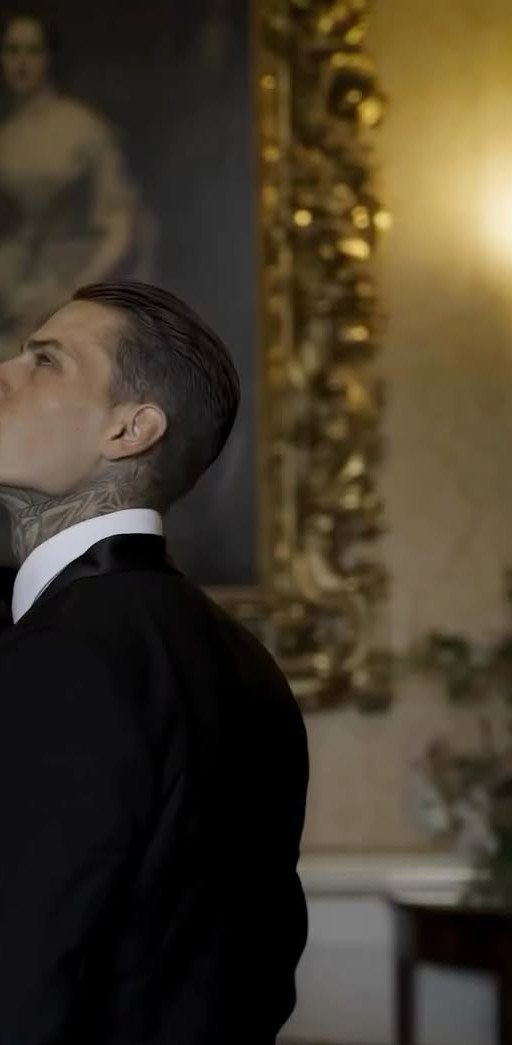
Nothing is simpler to pull off in 1920s style than a black suit with a crisp white shirt, since the dark cloth does most of the work.
Quiet shoes, a plain tie and a simple pocket square let the cut carry the outfit.
Fit decides whether it reads as period or as costume.
Shoulders should sit flat with no padding pushing past your own frame, and the jacket should close cleanly without pulling at the button. A tailor can fix sleeve length cheaply, so buy for the shoulders first.
For a themed event, I would pick this over anything louder.
2. Hats
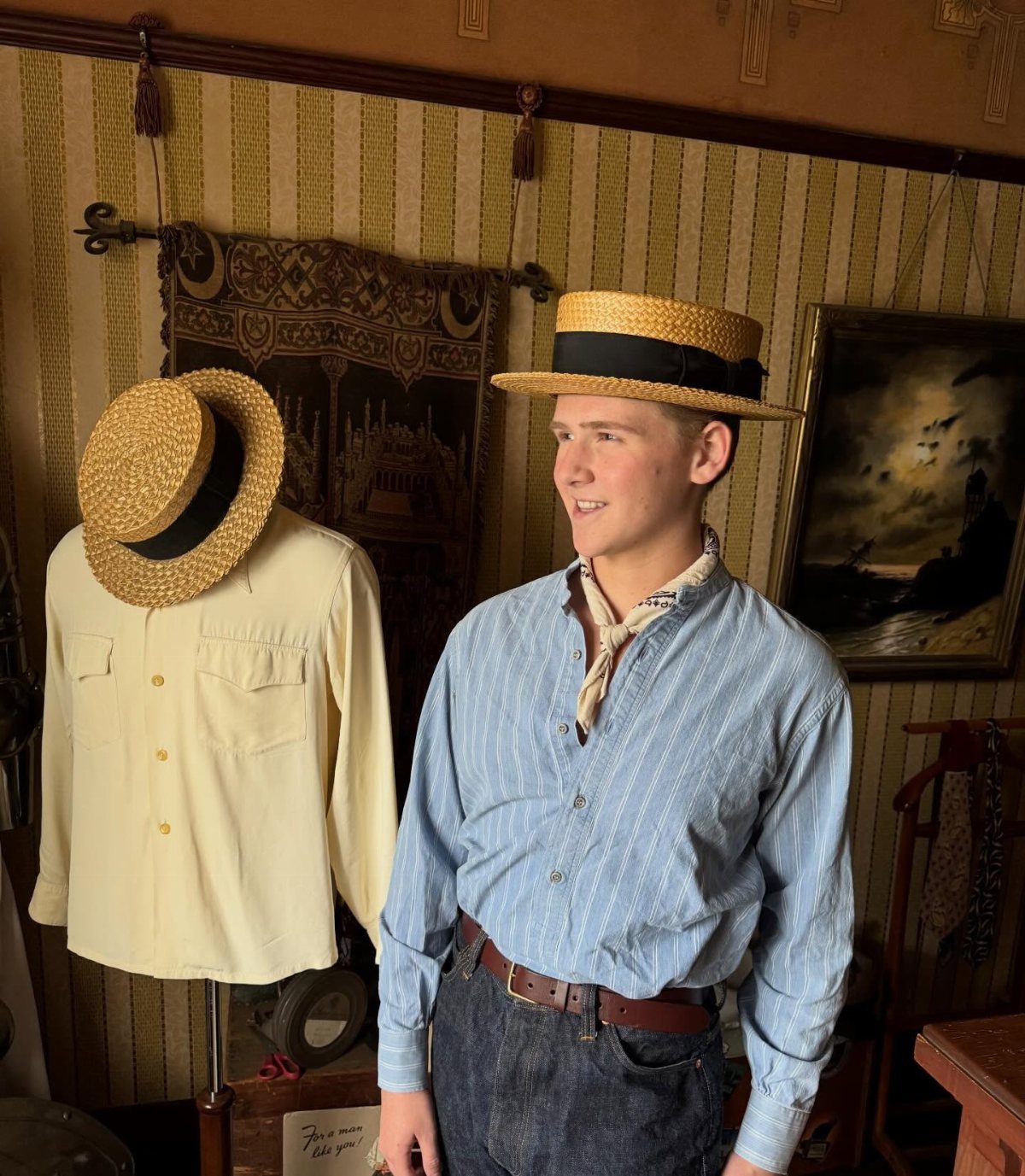
Straw boaters sit at the casual end of 1920s headwear, and I like them best with a striped shirt and a neckerchief, since the whole outfit then reads as a summer day rather than a formal one.
The hat should sit level across the brow, not tipped back. Pick one that fits snugly, because straw has little give and a loose boater will slide off in the first breeze.
Weather limits the straw hat: it suits warm, dry days and little else. For a cooler evening event, wear something other than a boater.
3. Pants
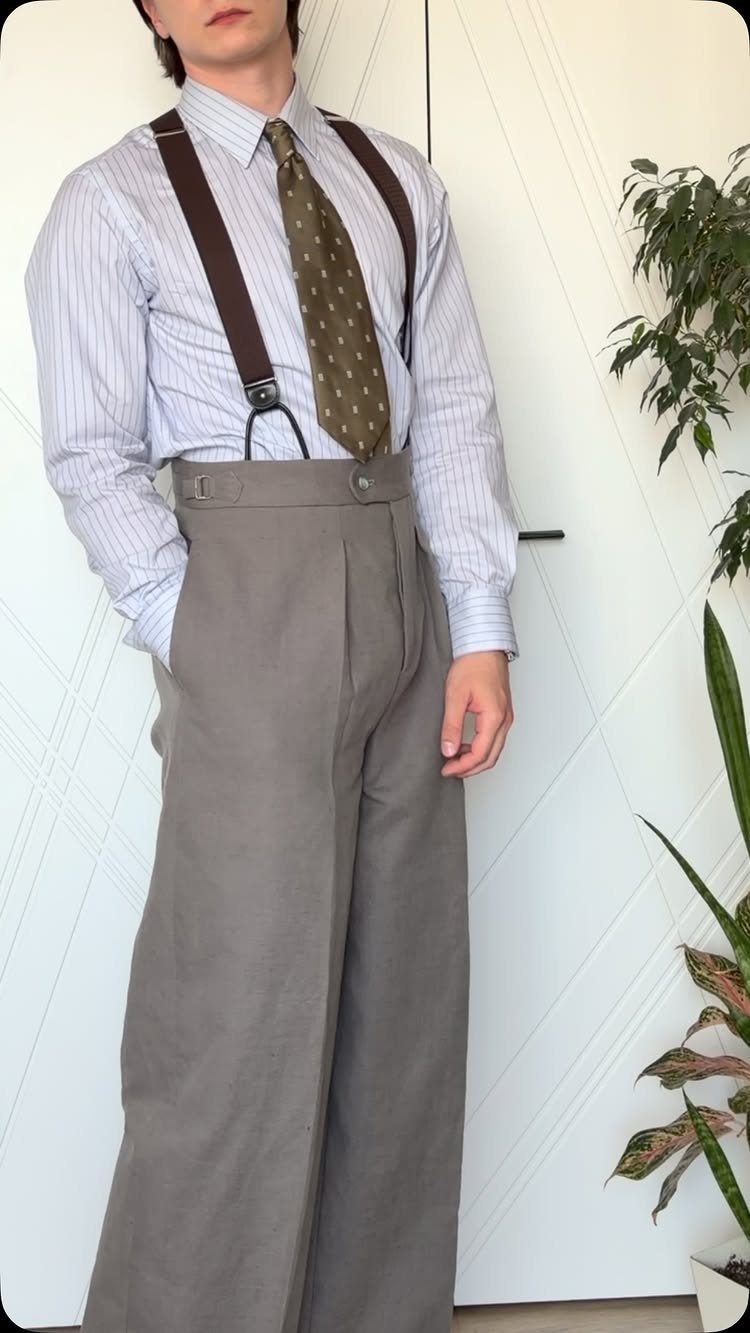
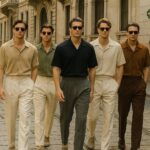
Wide-leg trousers are the quickest way to look right for the decade. Cut full through the thigh and straight down to the hem, they hang with a looseness that modern slim pants never allow.
Grey is an easy color to start with, and it pairs well with a striped shirt, a patterned tie and brown suspenders.
Suspenders do the work here, so skip the belt and let them hold the waist where it should sit, high and comfortable.
Slim-fit pants will wreck the effect, so size up and have the hem taken in rather than the legs.
4. Grooming
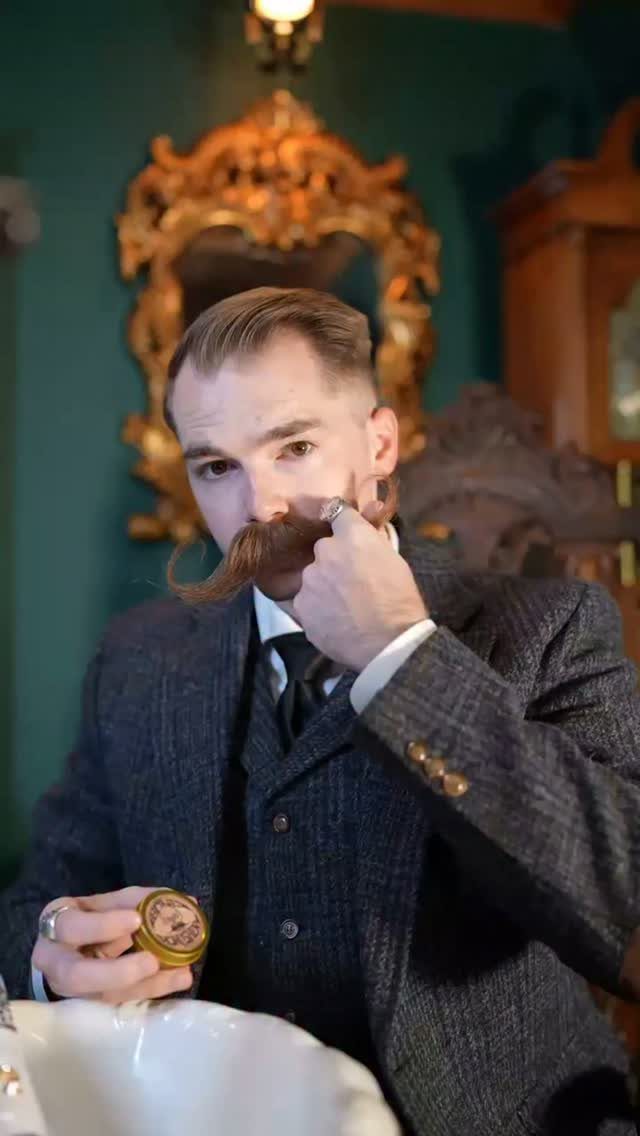
A handlebar mustache needs daily attention, and that is where the polish comes from.
A small comb and a tin of wax are the whole kit: comb it out, work in a little wax, and shape the ends with your fingertips.
Go lightly with the wax. Too much looks stiff and greasy, and too little lets the curl droop by midday.
The mustache only works if the rest of you is tidy too, so keep the cheeks clean-shaven and the hair neatly parted. If you would rather not commit, a trimmed, well-kept mustache still suits the era.
5. Men’s Shoes
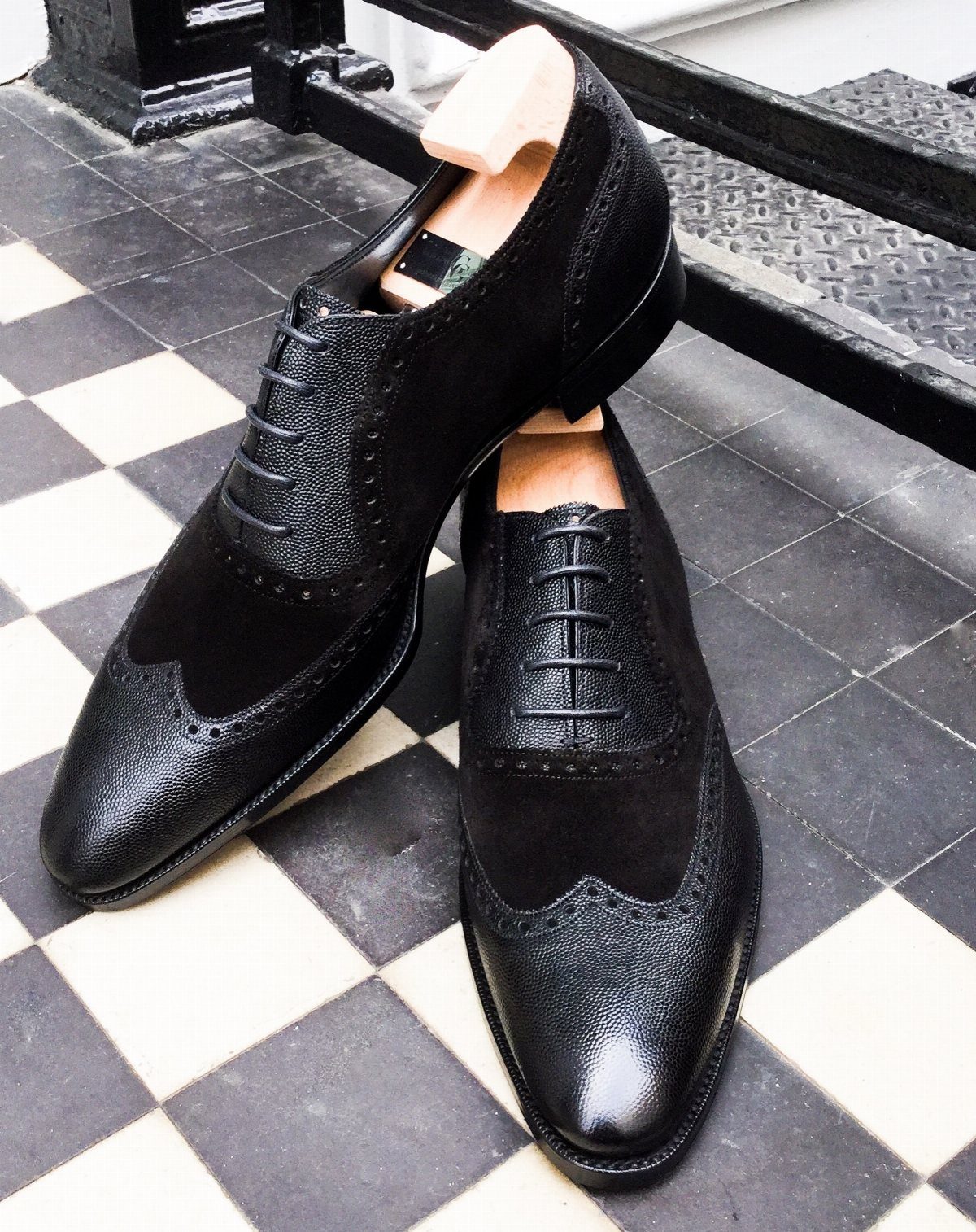
Wingtip Oxfords were the shoe that made formal footwear comfortable, and a black leather and suede pair is the one I would buy first. The two-tone contrast gives a plain suit some personality without a loud color.
Oxfords have closed lacing, which keeps the line sleek and a little dressier than most alternatives. They also work with modern tailoring, so the money is not spent on a costume piece.
Keep them polished. Scuffed leather undoes a sharp outfit faster than almost anything else you can wear.
6. Pocket Squares
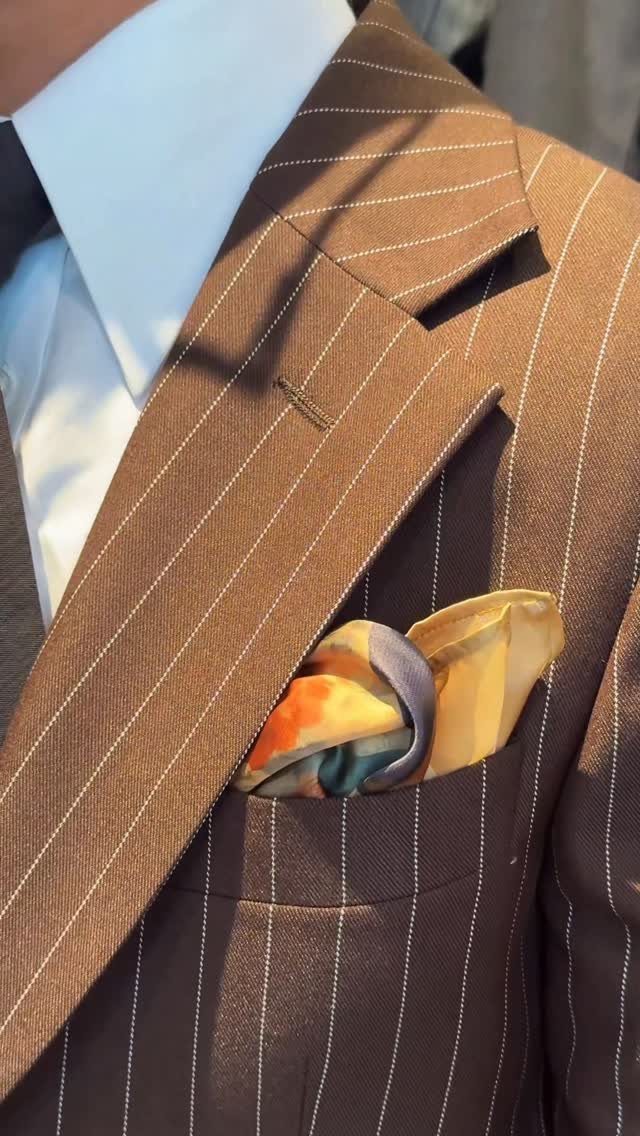
Silk pocket squares reached far more men once mass manufacturing made them cheap, and a patterned one is still the simplest way to add color to a jacket.
Yellow, orange and blue against a brown pinstripe is a good model: the colors are warm, and they pick up the cloth instead of fighting it.
Fold it flat and let a small edge show above the pocket. A puffed, overstuffed fold looks fussy, and a casual tuck usually looks better.
Match one color in the square to your shirt or tie, never all of them.
7. Timepieces: the Rise of the Wristwatch
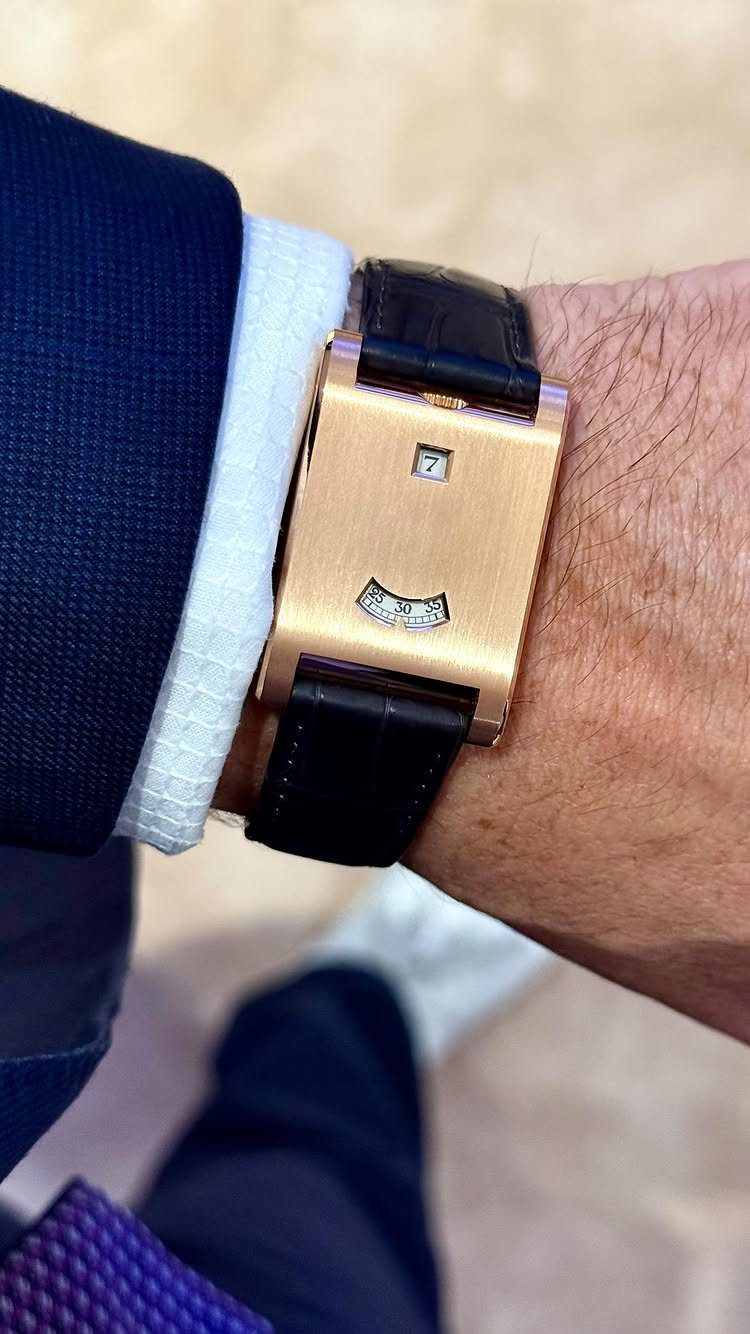
Pocket watches still turned up with 1920s dress, but wristwatches from makers like Elgin and Rolex were moving the time onto the wrist in these years.
Gold against a navy jacket and white shirt looks sharp today as well, so the watch won’t sit in a drawer after your event. Keep the strap clean, and slide the cuff back just far enough to show the case.
For a pocket watch look, see the waistcoat entry below.
8. Fabrics & Colors
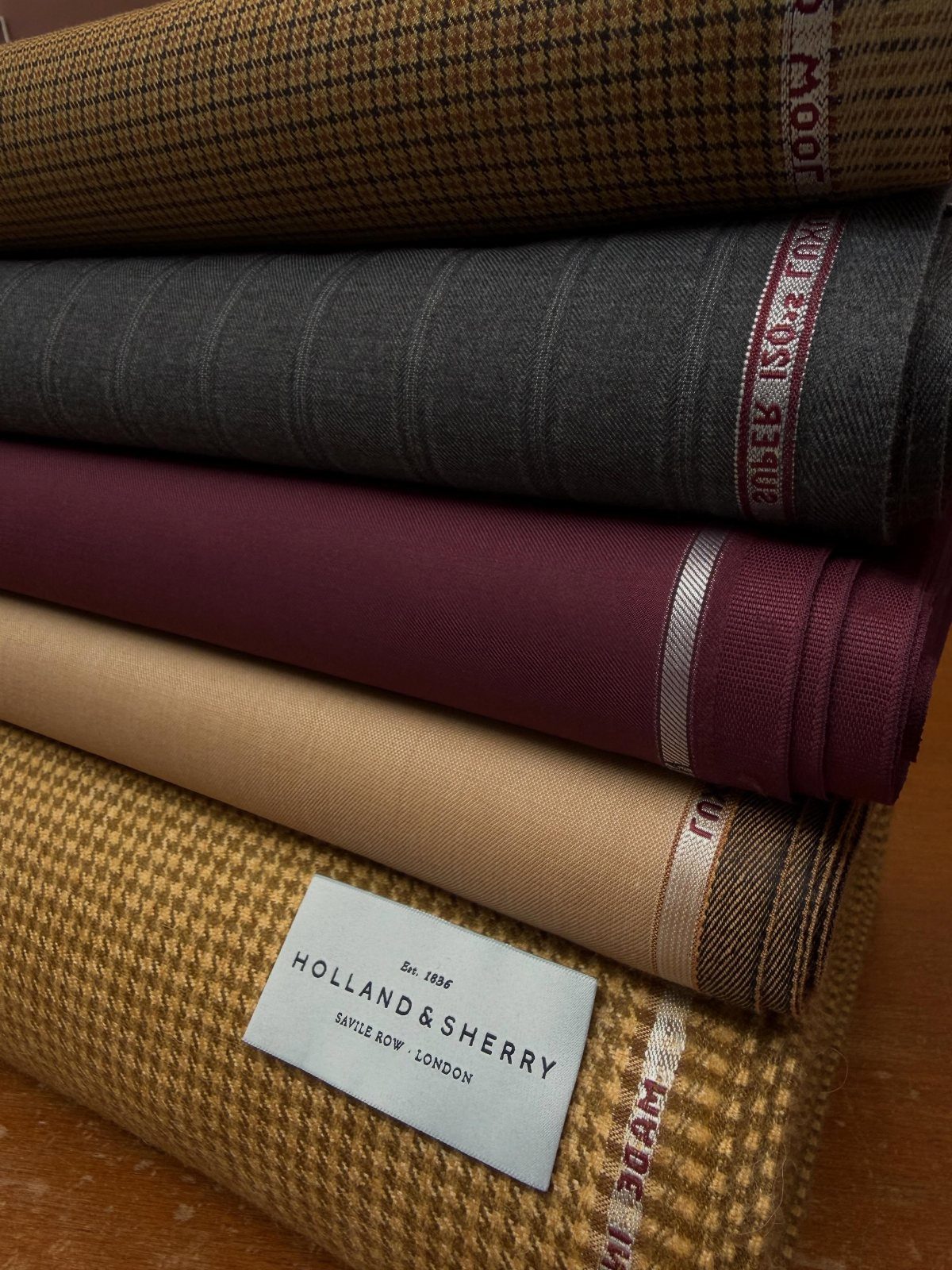
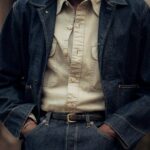
Wool was the fabric of the decade, and its palette ran from brown houndstooth and grey pinstripe to deep burgundy, tan and a mustard yellow pattern.
The cloth then ran heavier than what most shops sell now, so a modern lightweight wool will drape differently. Judge a fabric by how it hangs as well as by its color.
Brown houndstooth is the one I would choose first.
It reads as period at once and works with plain shirts. Burgundy is better kept for a tie or accent.
9. Facial Hair Trends
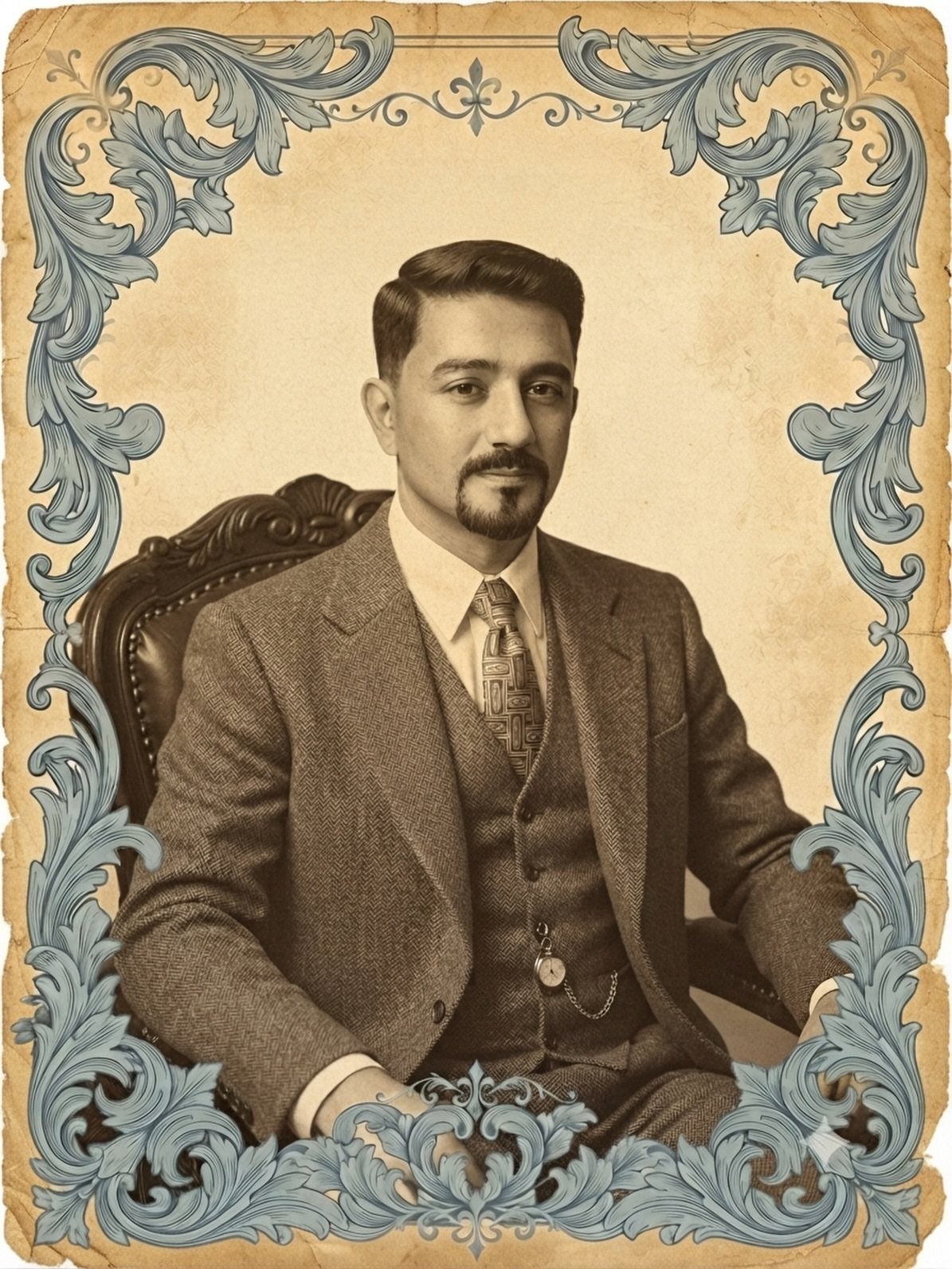
Facial hair changed after WWI, and a mustache paired with a small goatee is one version of that shift.
It sits well with a three-piece suit and a patterned tie, since the beard frames the face without competing with the cloth.
Keep the goatee short and the edges sharp. A scruffy one looks like a modern beard in a costume, and trimming every few days prevents that.
Not everyone can grow a full goatee. If your facial hair comes in patchy, go with the mustache alone and keep the cheeks clean-shaven.
10. Trench Coats and Overcoats
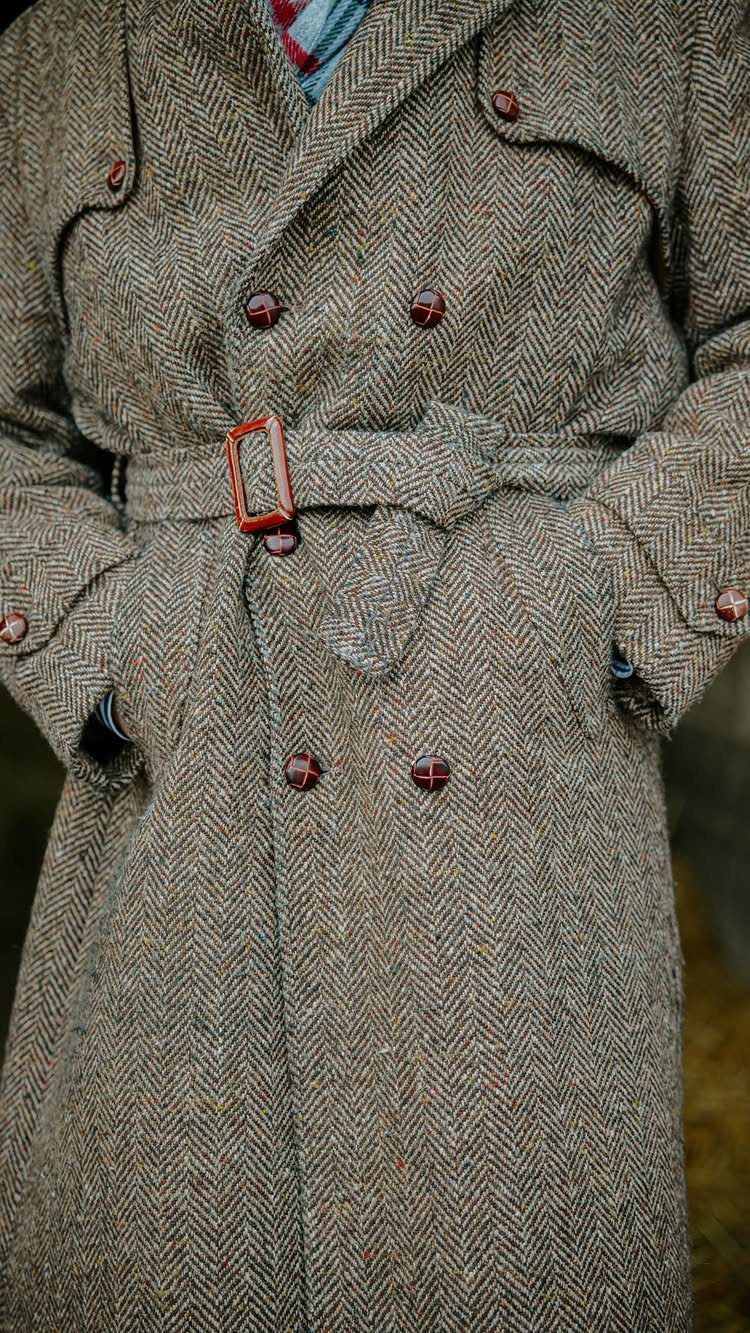
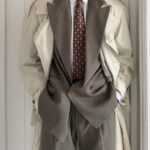
A heavy brown herringbone trench coat with a belted waist is a strong outer layer for a formal 1920s outfit. The double-breasted front and leather buckle give it structure, and the herringbone adds texture without any loud color.
Wear the belt cinched at the waist, and add a patterned scarf at the neck as a finishing touch.
Heavy cloth keeps you warm, so I would choose this for a cold evening event, the very day a boater would fail.
Check that it fits over your suit jacket before you buy.
11. Waistcoats and Vests
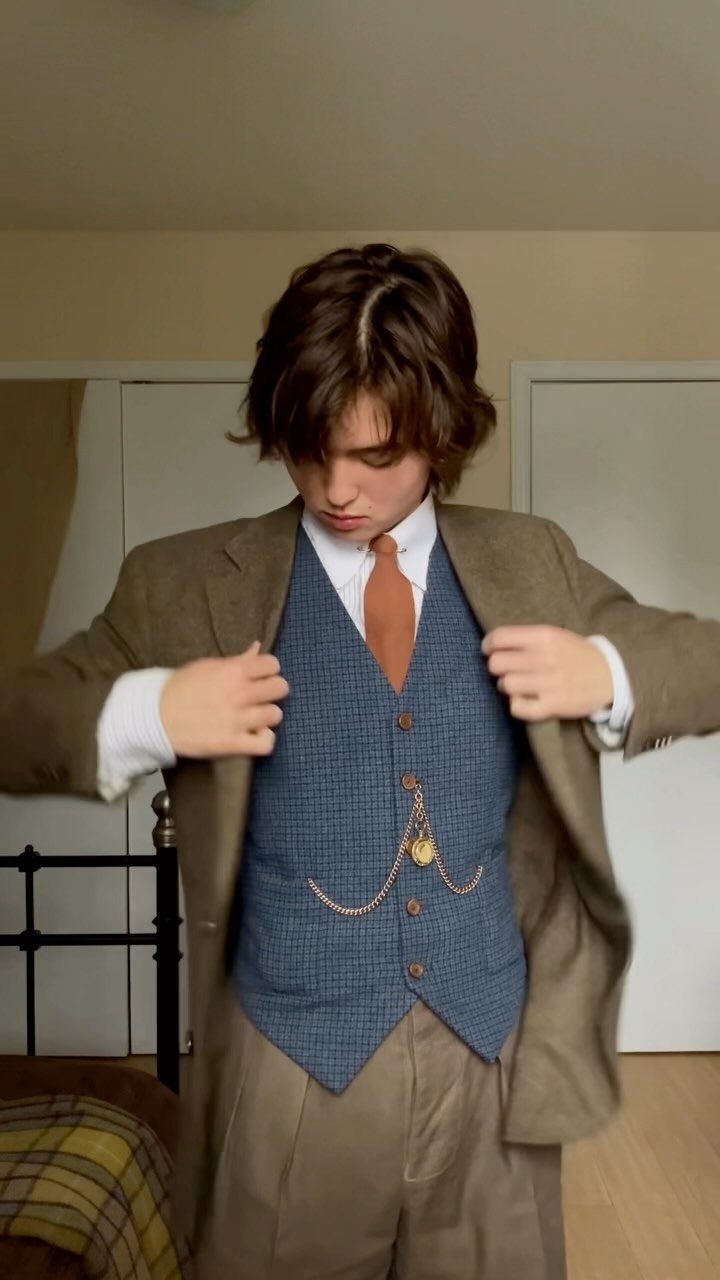
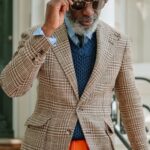
A blue patterned waistcoat is where a 1920s outfit gets its personality. Under a brown blazer, with an orange tie and tan trousers, it adds color while the jacket keeps things grounded.
A gold pocket watch chain across the front is the detail I like most. It ties back to the timepieces entry and costs little to add.
Wear the waistcoat snug, so it lies flat against the shirt. Match one color in the pattern to your tie, as the orange does here, and leave the other pieces plain.
Cultural Context of Fashion
The 1920s came after World War I ended in 1918, and a generation that had seen the war wanted color, money to spend and a night out.
Prohibition began in 1920, and with it came speakeasies and nightclubs. Men dressed for those rooms, and clothes became something you bought for pleasure rather than need.
Jazz and the rise of consumer spending are why the decade’s clothes look relaxed next to what came before. If you dress for the era, aim for that loosened, optimistic mood rather than stiff formality.
Influence of Hollywood
Rudolph Valentino is the name to know for evening wear.
He popularized the tuxedo as formal dress, and it has stayed tied to elegance ever since. For a black-tie event, a tuxedo is the most direct nod to him, and it needs no costume shop.
Douglas Fairbanks pulled in the other direction.
Breeches tucked into tall boots, the costume of his swashbuckling screen heroes, soon turned up on ordinary men who wanted some of that swagger. It is a bolder choice, so keep everything else plain.
Duke Ellington is a third model.
He favored bold colors and intricate patterns, with a fedora and a pocket square. If a tuxedo feels too stiff, his approach gives you more room.
Full evening dress was out, dinner jackets were in. The 1920s saw the rise of the tux, complete with shawl or peak lapels and satin.