The ideas here run from a single tie-dye shirt worn with plain dark pants to a full 70s office look in synthetic fabrics, with platform shoes and bellbottoms on the loud end, and where you plan to wear it picks the one.
Everyday settings suit the quieter pieces: corduroy outerwear over dark jeans, or the 70s office style of a wide-collared shirt with high-waisted trousers.
Themed nights are the place for fringed suede and platform loafers. The decade still reaches modern wardrobes through its fringed suede jackets and bellbottoms, and one piece per outfit is usually enough.
1. Platform Shoes
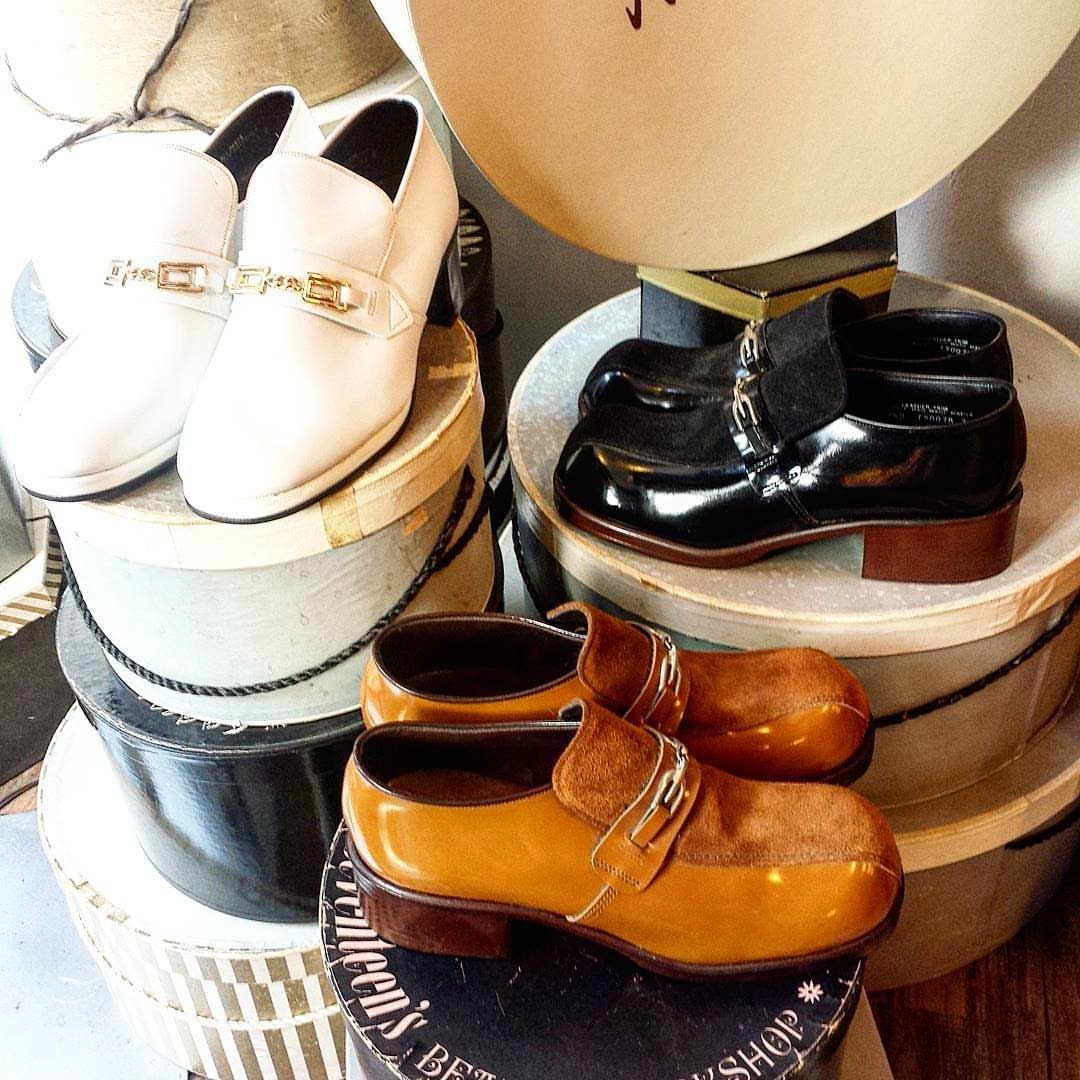
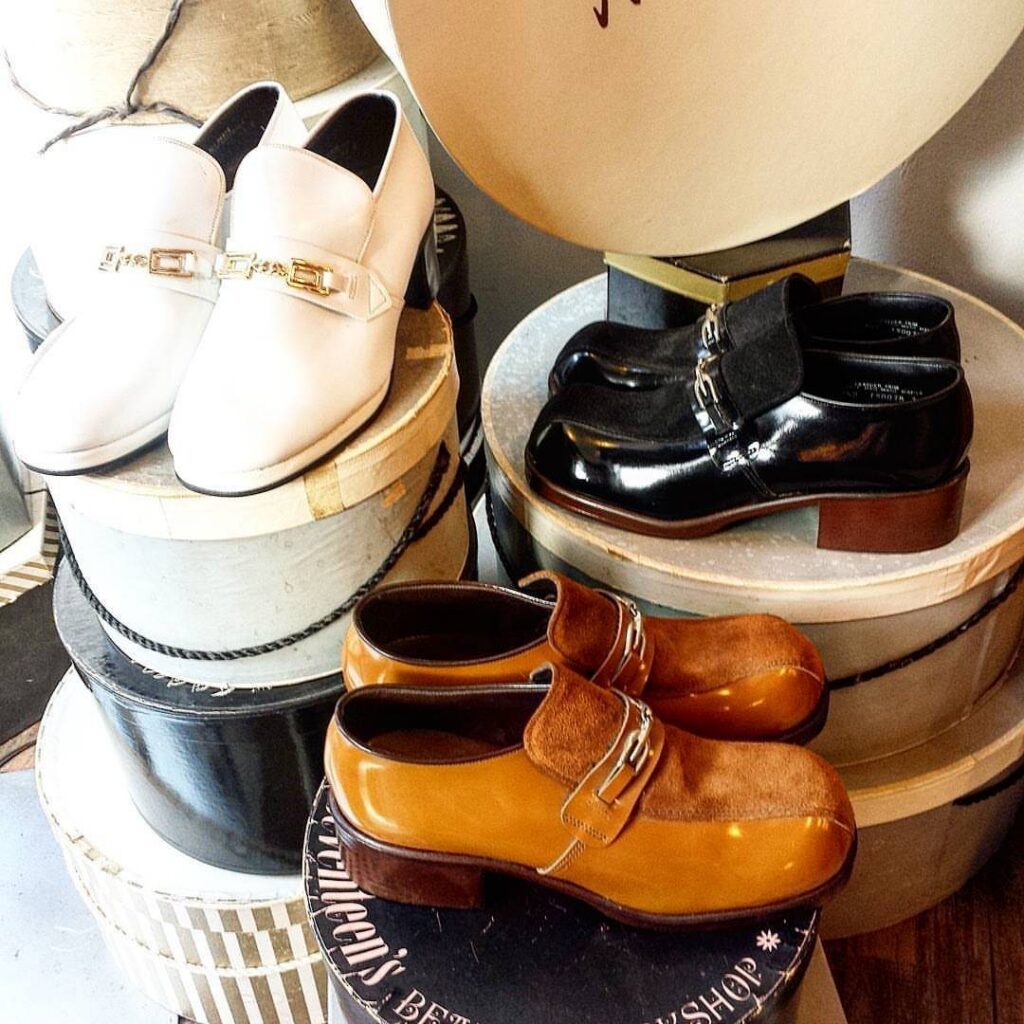
Platform loafers carry the 1970s in the sole.
The heel and the thick front platform add height, and the two-tone tan and brown pair is the one I would wear first, since it reads as a real shoe and not a costume prop.
Keep everything above the ankle simple.
A straight, dark trouser that breaks right at the platform lets the shoe do the talking. Black or white pairs suit a themed party better than daily wear.
2. Bellbottoms
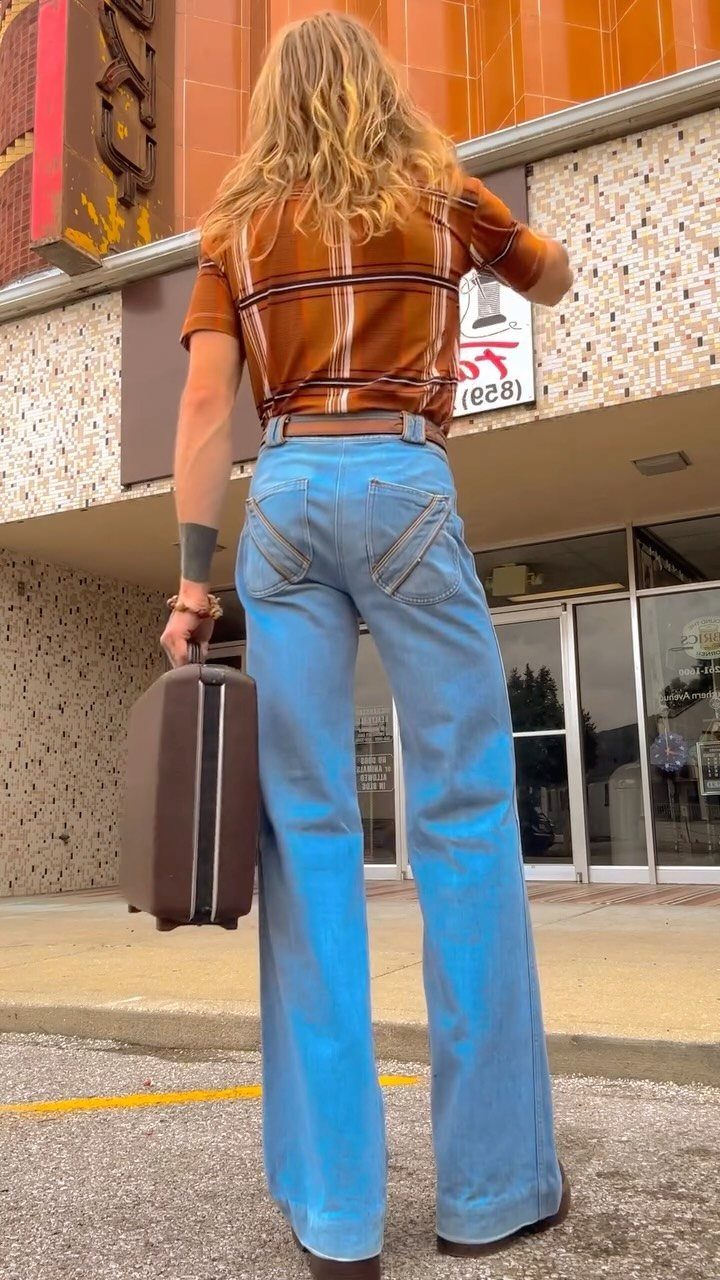
Fitted through the thigh and flaring out below the knee, bellbottoms depend on proportion. A light-blue wash makes the simplest starting point, and a patterned polo on top keeps the look period-correct without tipping into costume.
Let the hem hang long enough to nearly cover the shoe, because a flare that stops at the ankle just looks like a mistake. Keep the top half snug so the silhouette stays clear.
3. Tie-dye
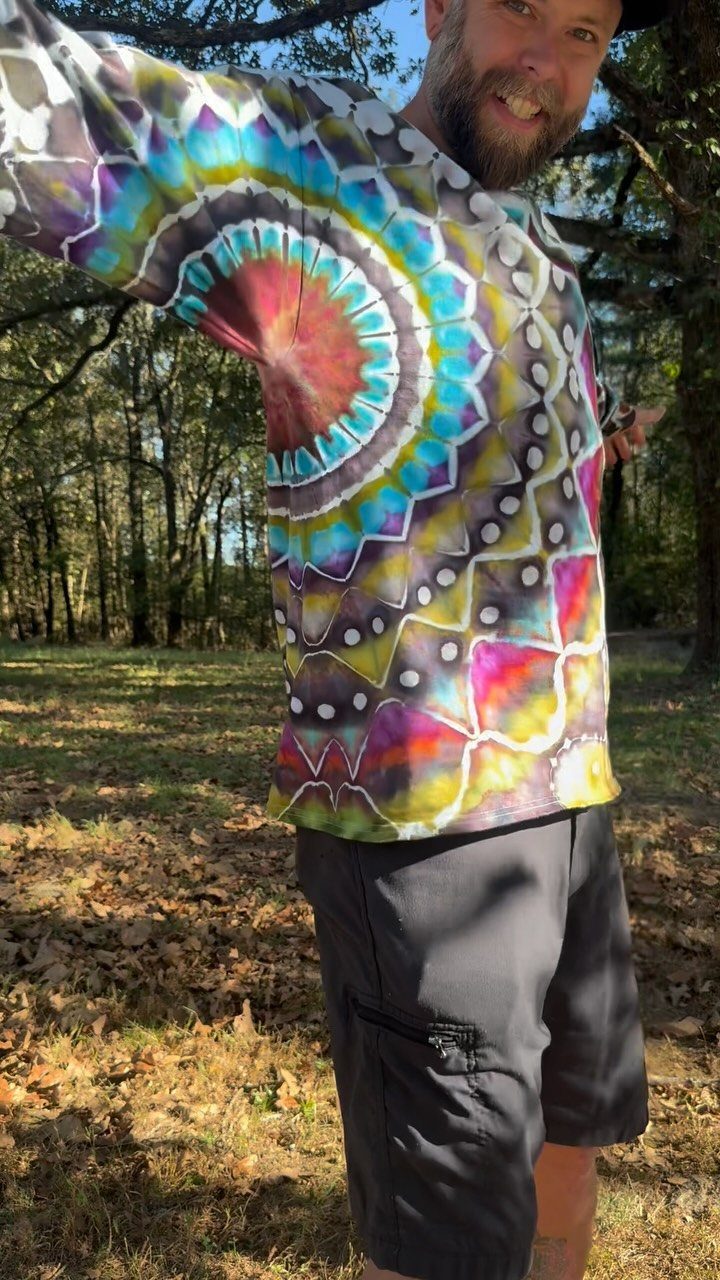
Swirls and mandala patterns are what make tie-dye read as hippie, and a single bold piece does the job.
I prefer a long-sleeve shirt or tee in a big radial pattern, worn with plain dark shorts or pants so the shirt stays the only loud thing.
For a themed event, one dyed piece beats a full head-to-toe outfit. Multiple colors on one shirt already give you plenty of variety.
4. 70s Men’s Office Style
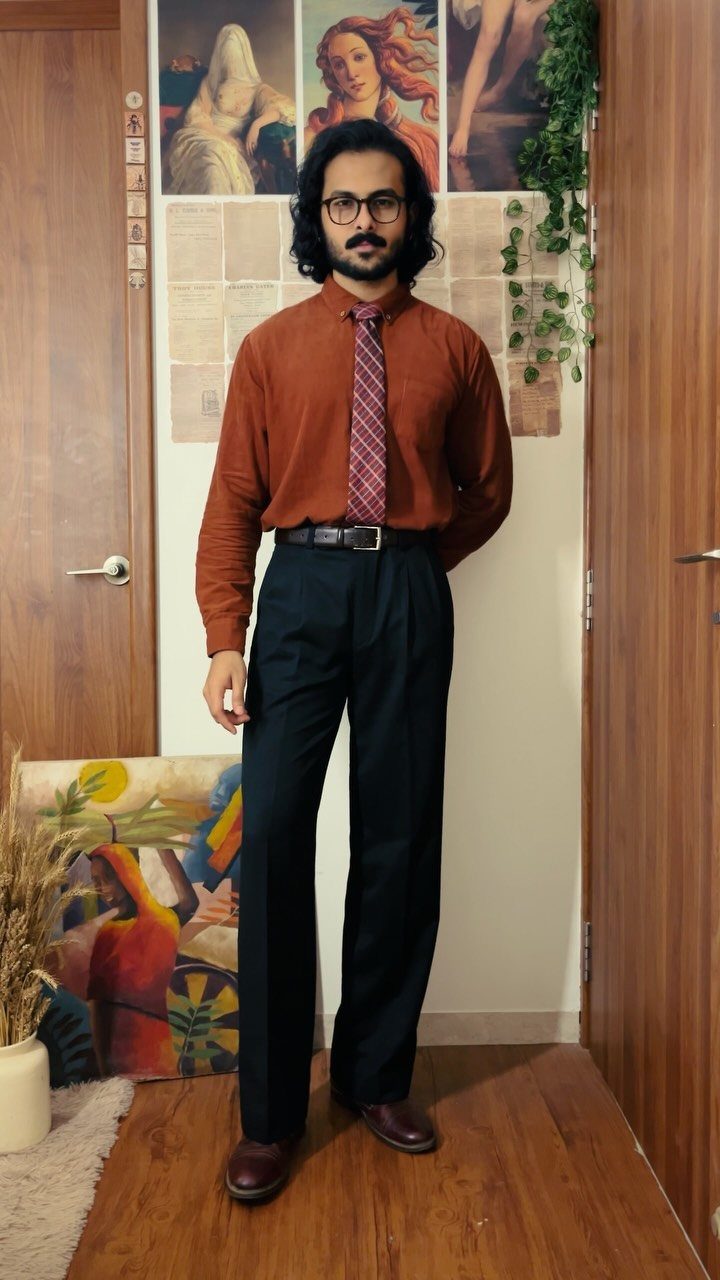
Burnt orange is the shirt color that sets the tone here, and a patterned vintage tie finishes it. High-waisted dark pleated trousers keep the outfit tailored, and they give the bright shirt something calm to sit against.
For a modern office, I would trade the loudest tie for a quieter pattern while holding on to the orange. Dark dress shoes tie it together, and the trouser rise matters more than any accessory.
5. Fringed Suede Jacket
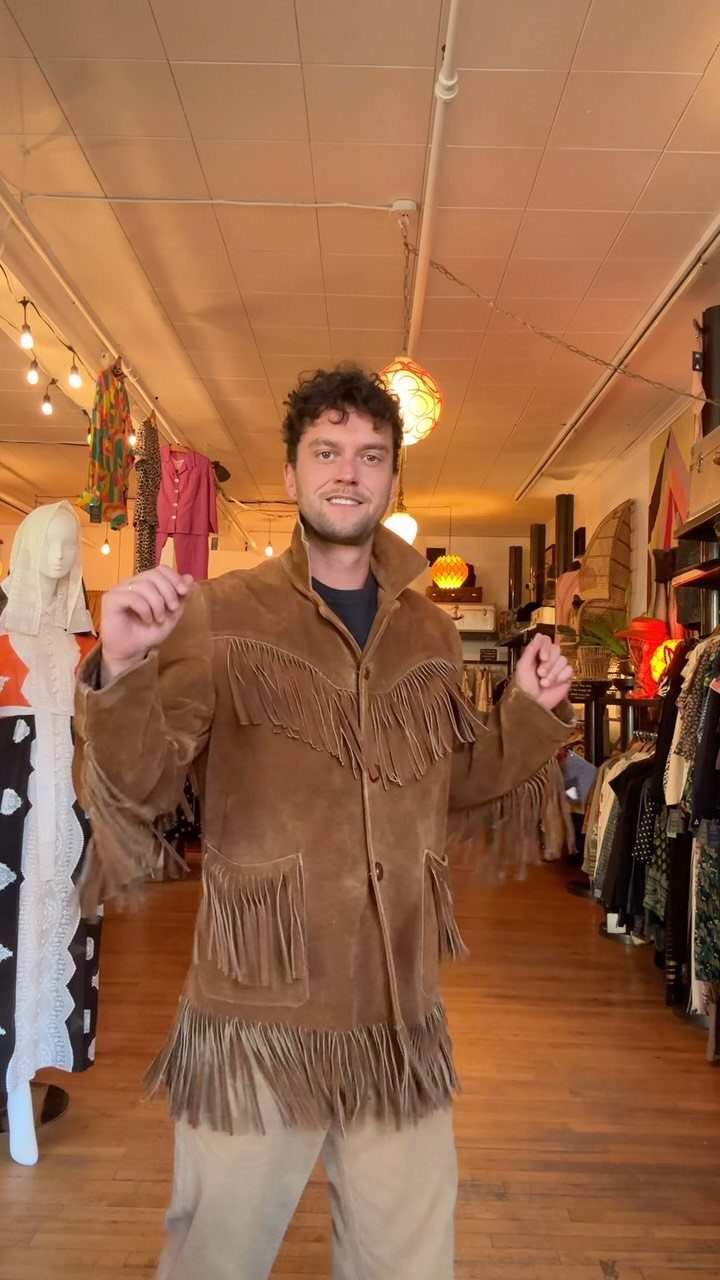
A suede jacket with heavy fringe across the chest, pockets, hem and sleeves is a statement piece, so build nothing else around it. Wear it over a plain tee and straight jeans, and let the fringe move.
Vintage stores are the place to look, and trying it on matters because the sleeve fringe changes how far your arms swing.
Brown or tan suede suits the look best. Wear it for evenings and events, not as a daily coat.
6. Corduroy Outerwear
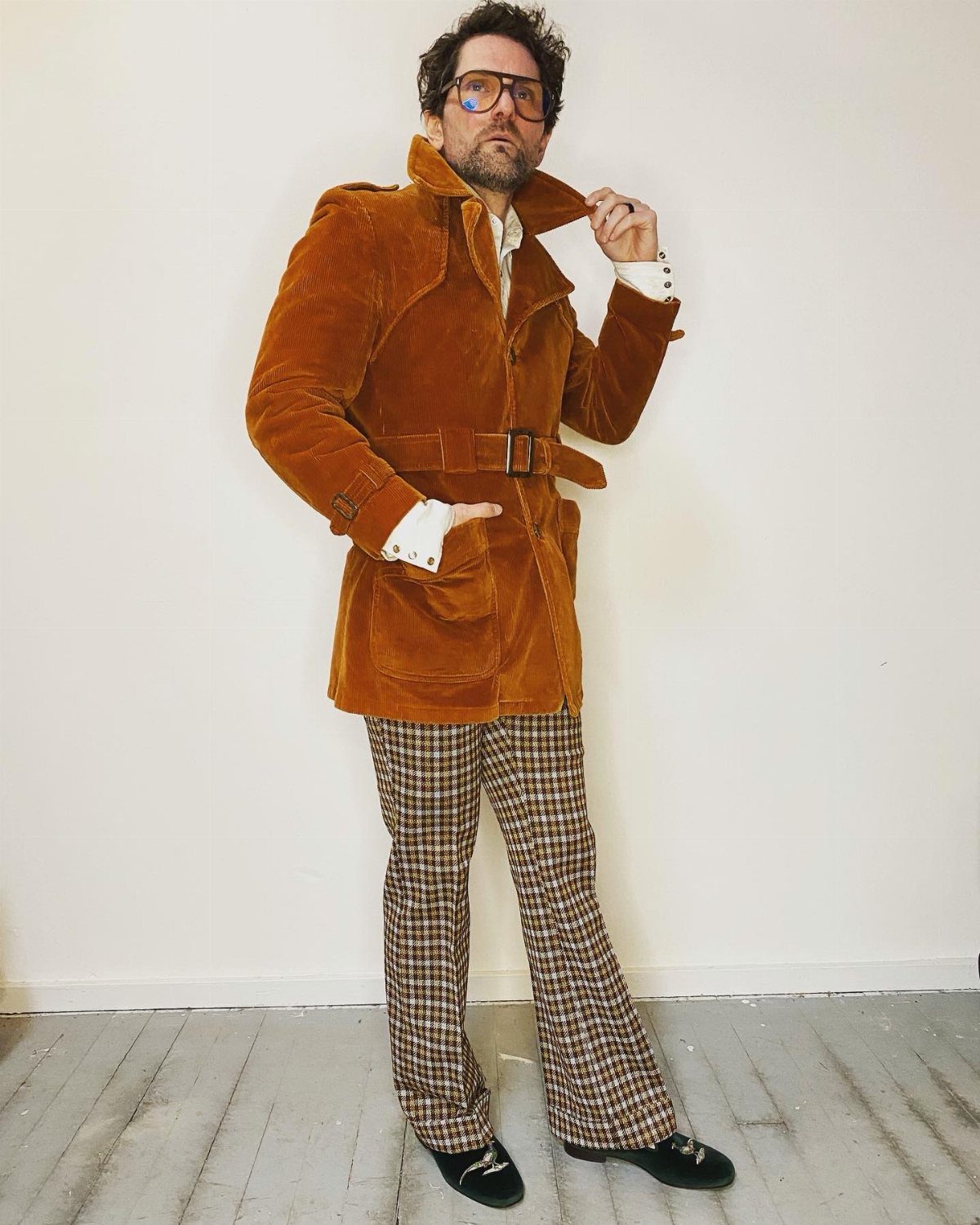
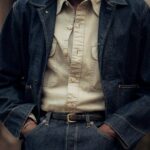
Corduroy outerwear works best as a belted jacket in brown, and the belt gives the boxy cut a waist. Brown plaid flared trousers push it fully into the decade, while loafers keep the whole outfit grounded.
If the full set feels like too much, wear the jacket alone with dark jeans. For an ordinary weekday, I would choose that version, and save the matched pants for a themed night.
Influence of Pop Culture
Cher is the clearest proof that a 1970s look can outlast the decade.
Dua Lipa stood beside Cher onstage that same night, and the two wore matching leather.
Of everything from that moment, leather is the piece a man can borrow with the least effort: one jacket in a dark, simple cut works with no sequins at all.
The same decade’s wardrobe shows up in the TV series Daisy Jones & The Six, built on bell-bottom jeans, statement jackets and big sunglasses. Pick one of those, not all three.
Rise of Synthetic Fabrics
Much of everyday 1970s dressing was plain and practical: blue jeans, soft cotton tees, and fringed suede or leather jackets. That relaxed approach is the part worth copying, because it asks for comfort first and costume second.
If you want to wear it now, I would choose natural fabrics like cotton, and look at eco-friendly versions where you can find them. A lightweight printed top with a nature-inspired graphic gets you the mood without the bulk.
Accessories are the cheap finish. Bead necklaces and headbands fit this look, but one is plenty.
Women’s Liberation Impact
Part of the push came from the fashion industry itself: in 1970 it tried to move women from miniskirts into calf-length midiskirts, and the resistance was so strong, especially in the US, that it became known as the "midi debacle."
Many women simply switched to trousers and jeans.
Early in the decade, the most common silhouette sat close at the hips and flared gently down to a hem that covered the foot, a line Yves Saint Laurent had pushed through every one of his 1968 collections.
If you are shopping for a partner or borrowing the cut yourself, look for that fitted hip and soft flare.
If the 1970s saw women’s liberation make strides, polyester (which was invented by DuPont in the late 1930s and marketed as fashionable by the 1950s) freed women from the iron.
— Vogue
Frequently Asked Questions
What can I wear to a 70’s themed party?
Choose a single loud piece, like a wide-collar shirt or flared pants, and let everything else stay quiet.
A tie-dye shirt in a big radial swirl over dark pants, or a pair of light-blue bellbottoms with a patterned polo, reads as the decade without turning into a costume.
What was a fad in the 1970s?
Bellbottoms, tie-dye, platform shoes and fringed suede jackets were the big ones for men, along with burnt orange office shirts and belted corduroy jackets.
The notes from other pages add hot pants, tube tops and leisure suits. Most of these work best worn one at a time.
What did females wear in the 70’s?
In the early 70s, women’s pants and dresses typically hugged the hips, then widened toward a hem long enough to cover the shoe.
Many women switched to trousers and jeans after the 1970 push toward calf-length midiskirts met heavy resistance, especially in the US. Hippie pieces like bellbottoms, tie-dye, peasant blouses and headbands carried over, and by 1977 looser, baggier cuts took over.