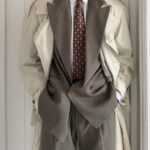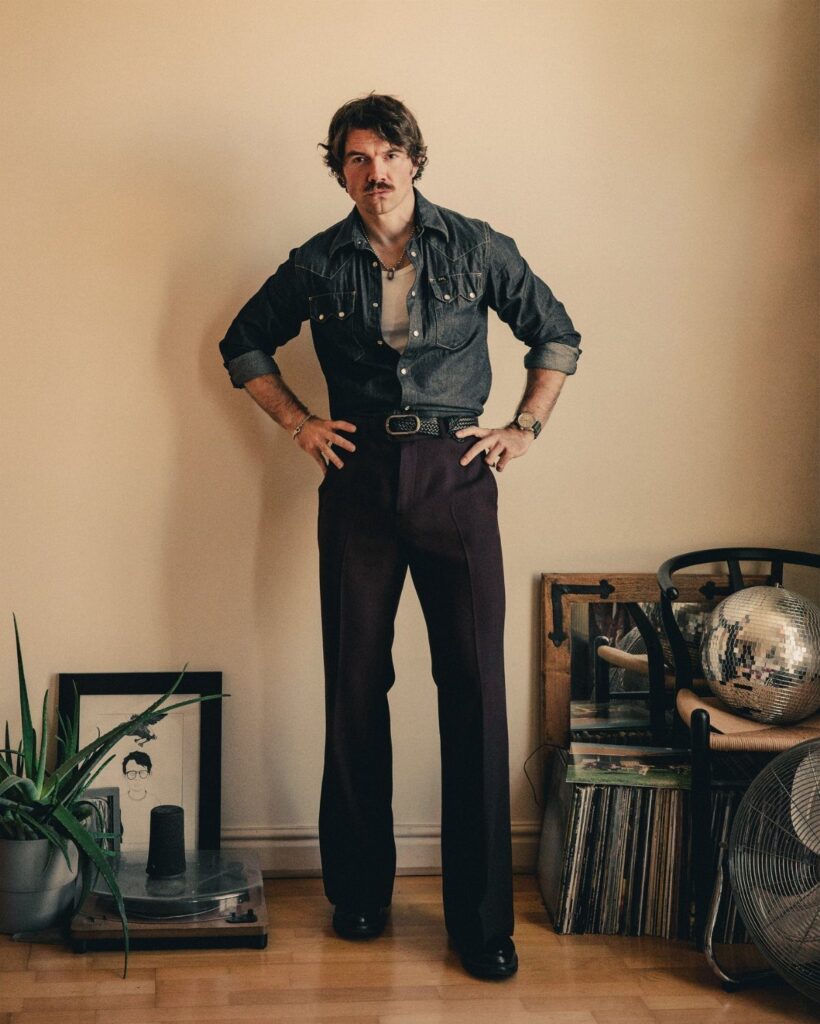
The ideas here run from slim-fit trousers and a clean shave to tailored suits, skinny ties and flared pants, and the 1960s did not have one look, so the choice depends on which strand of the decade you will actually stay with.
Mixing them in one outfit reads like a costume party.
Pick by the clothes you already wear on a normal day, because a Chelsea boot suits a man in jeans and chinos, while flared pants suit the one who prefers a looser wardrobe.
1. Slim-fit Trousers
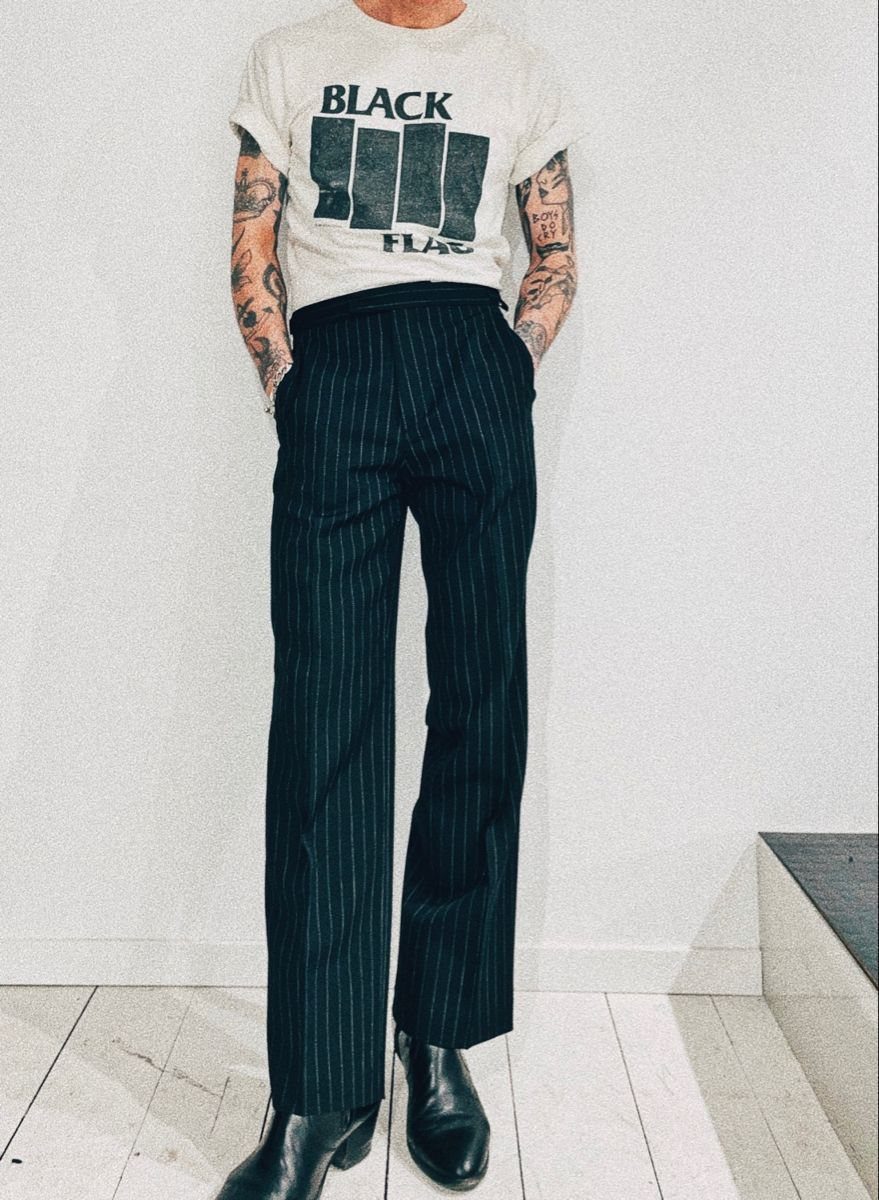
A slim trouser works hardest when the rest of the outfit stays plain. A white graphic tee and black boots do that job, and the pinstripe adds pattern without adding bulk.
Dark fabric keeps the line narrow from hip to ankle. I would pick a dark pinstripe over a solid if you only own one pair, since it dresses up with a blazer and relaxes with a tee.
Keep the boots simple and dark so the leg stays one clean column.
2. Flared Pants
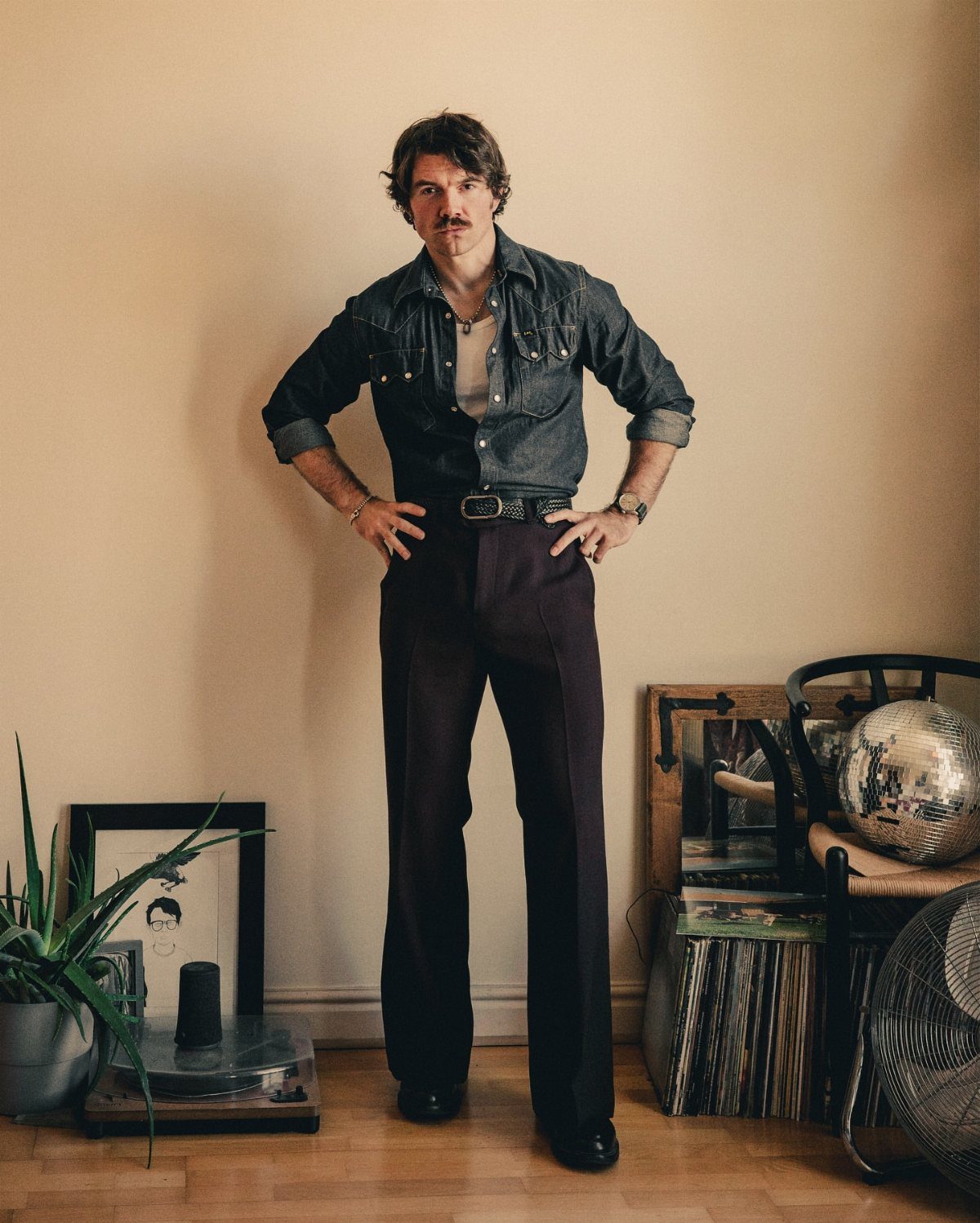
Flared trousers in a dark wash or fabric are the easiest way into the 70s-leaning end of this look, and they read as a softer cousin of bell bottoms.
A high waist matters here. It lengthens the leg and keeps the flare from looking like costume.
Pair them with a fitted top, such as a denim Western shirt, and add a belt to mark the waist. 2 denim pieces work when the shades differ.
I would skip a second loud item. The flare is already the statement.
3. Geometric Designs
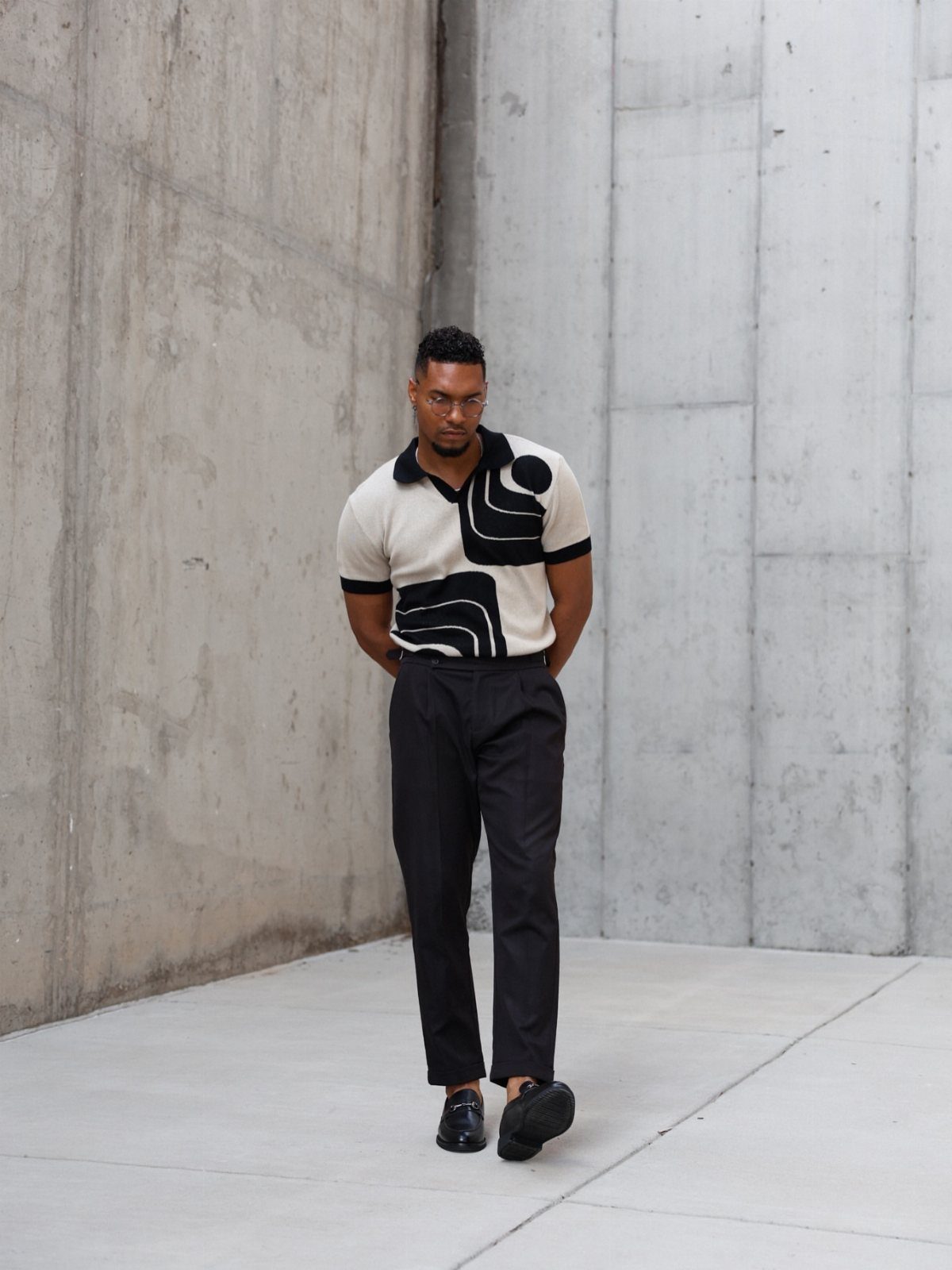
Bold black geometric shapes on a cream knit polo change a plain shirt without touching the cut, which is why I like the idea for anyone who dislikes fussy tailoring.
That is the appeal: you keep a familiar, easy piece and let the print do the talking.
Keep everything below the print quiet. Black trousers and black loafers pull the pattern’s own color down the body, so the outfit looks planned instead of busy.
Wear one patterned piece at a time. A second pattern competes, and the large scale of this one needs room.
4. Fedora Hats
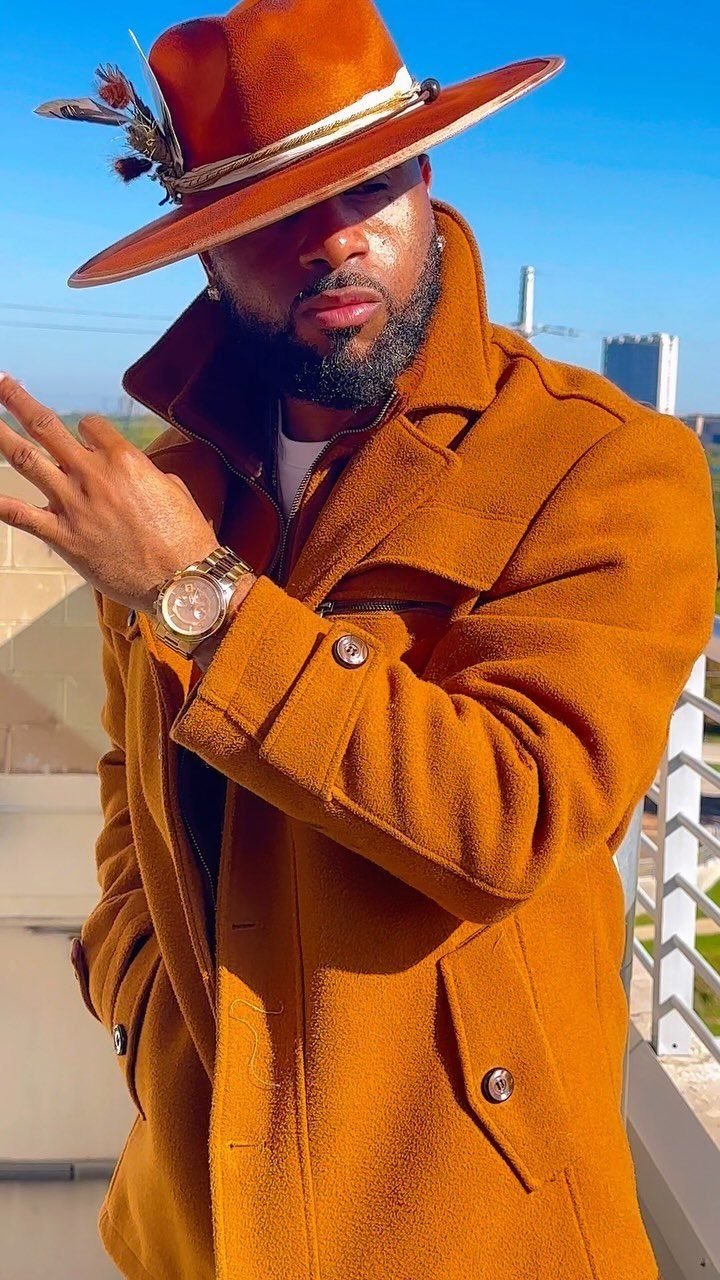
Few hats change a face like a wide-brimmed fedora, and an orange one asks for commitment. I like it best when the coat matches, as here, because the color then reads as a deliberate choice instead of a stray accessory.
If orange feels like a lot, a darker fedora gives the same shape with less noise. A feather is a nice detail but optional.
Wear the hat outdoors, in daylight, where its color holds up. A fedora already draws the eye, so let a plain jacket and quiet trousers do the supporting work.
5. Clean-Shaven or Well-Groomed Facial Hair
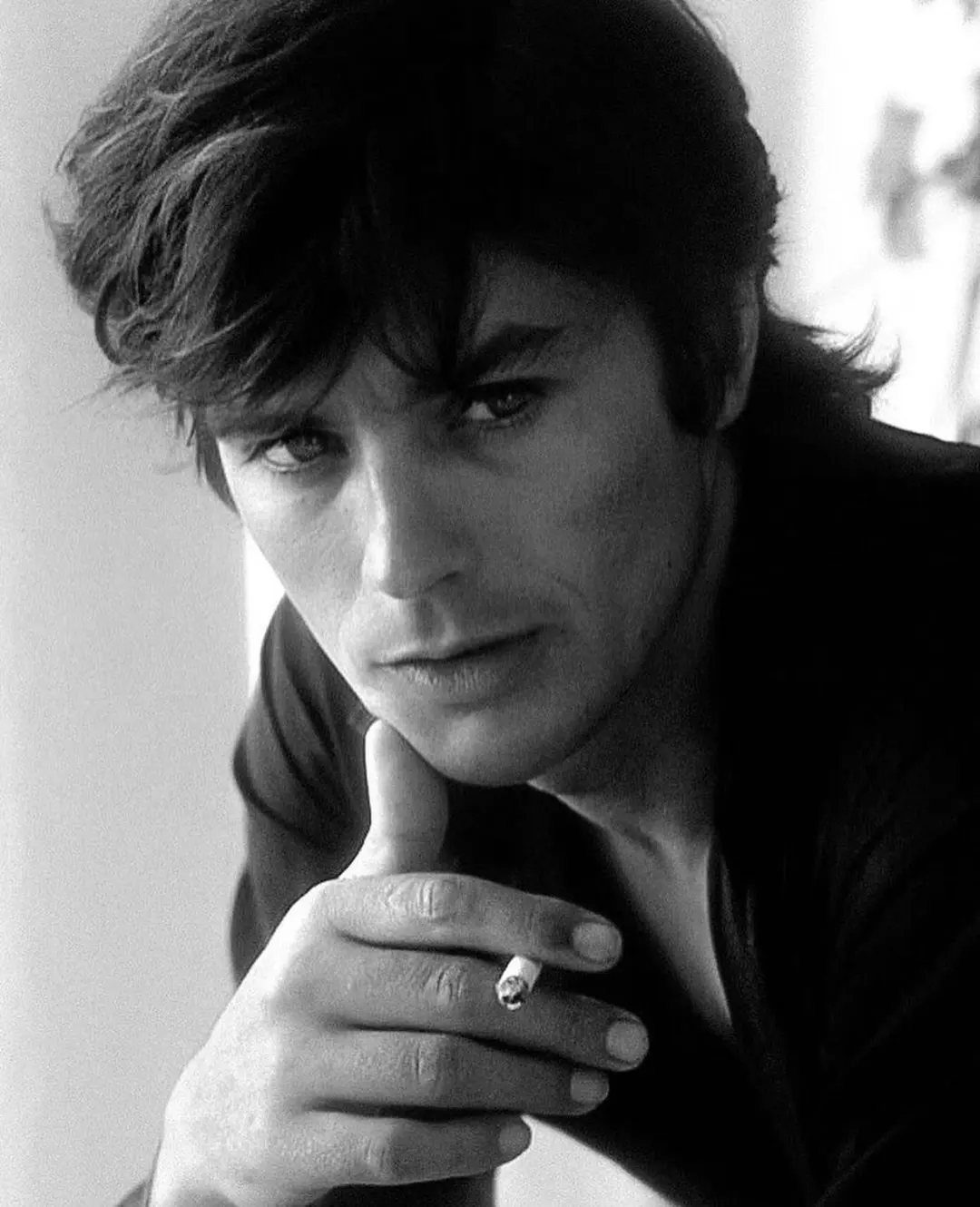
A face with nothing on it lets the hair do the work. Thick, wavy dark hair, kept neat, is half of this look, and a clean shave makes the jaw and cheekbones the focus.
If you would rather keep facial hair, groom it hard: a defined edge on the cheeks and neck, and a short length. Scruff reads as the opposite of polished.
A fresh shave is cheap and takes minutes, which suits anyone who wants an effect without effort or expense.
6. Tailored Suits
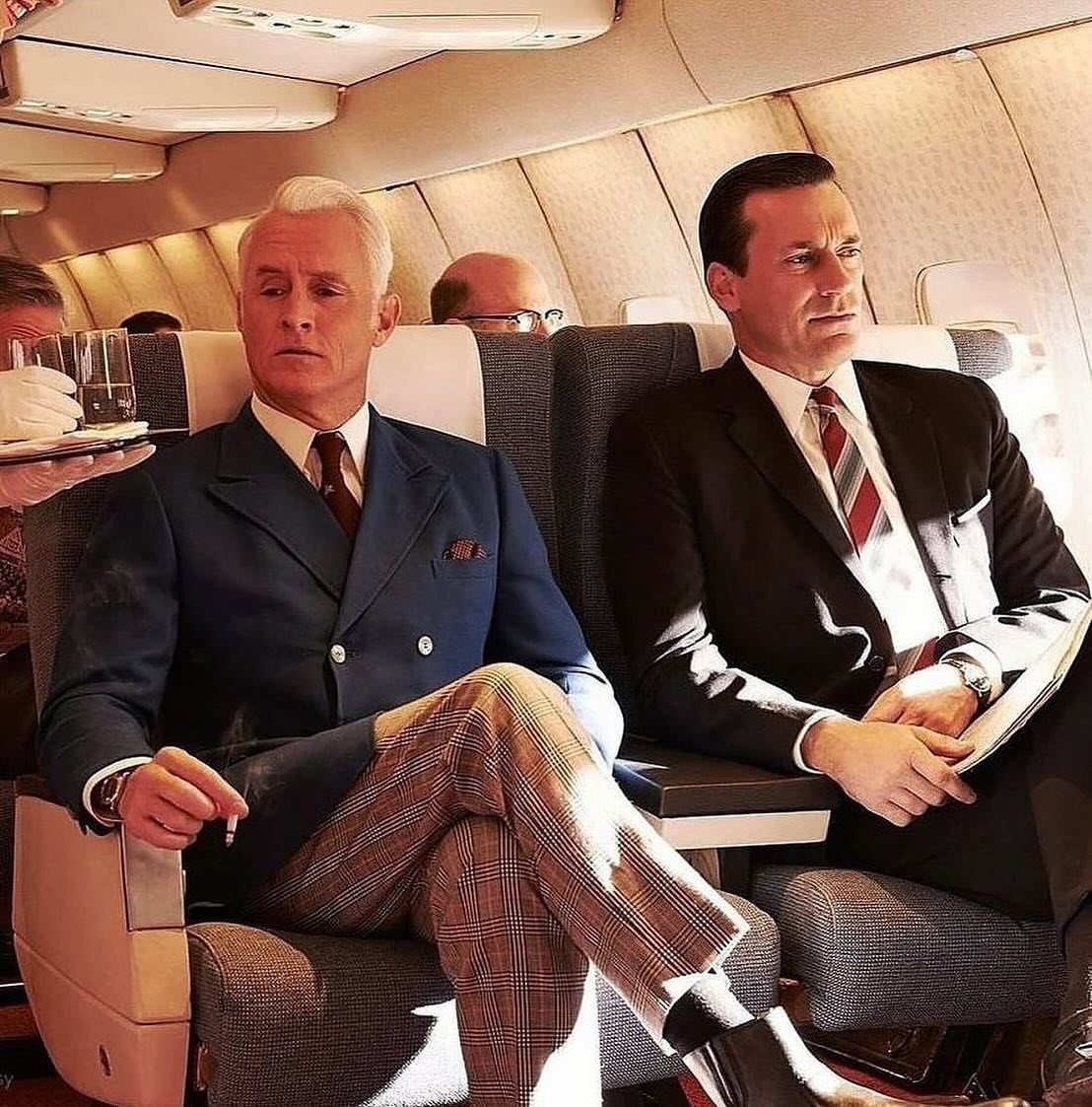
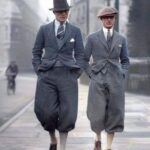
A navy double-breasted blazer over plaid trousers is one way to keep a tailored look from feeling stiff: let one piece carry the pattern and keep the other solid. The jacket stays serious; the trousers bring the pattern.
I would choose that split over a matched suit for everyday wear, because you can wear each piece on its own later. Navy is the safer base, and plaid works best when it is the only pattern present.
Fit does most of the work, so spend any alteration money on the shoulders and sleeves first.
7. Turtleneck Sweaters
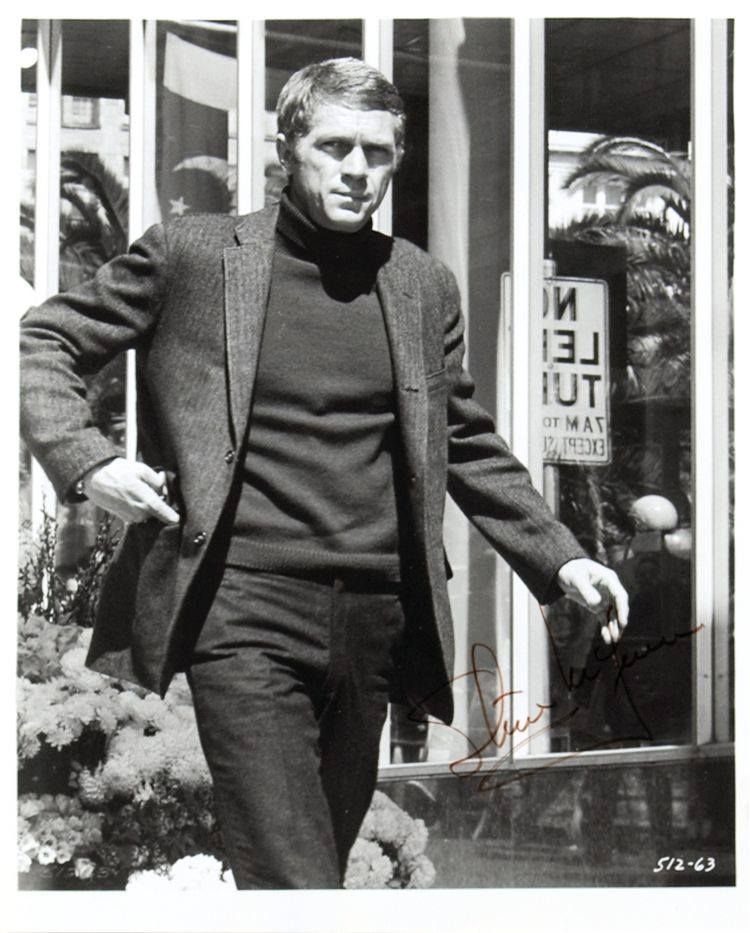
A dark turtleneck under a textured blazer gives you a collar-and-tie look with no tie to knot. The neck stays clean, and the blazer’s texture adds interest that a flat knit alone would lack.
I would keep the trousers dark too, so the whole outfit reads as one tone with texture doing the variety. It works for work, dinner or a walk downtown, which makes it a good single purchase.
Black and white photography flatters this look, but in color I would still stay with charcoal, navy or black.
8. Skinny Ties
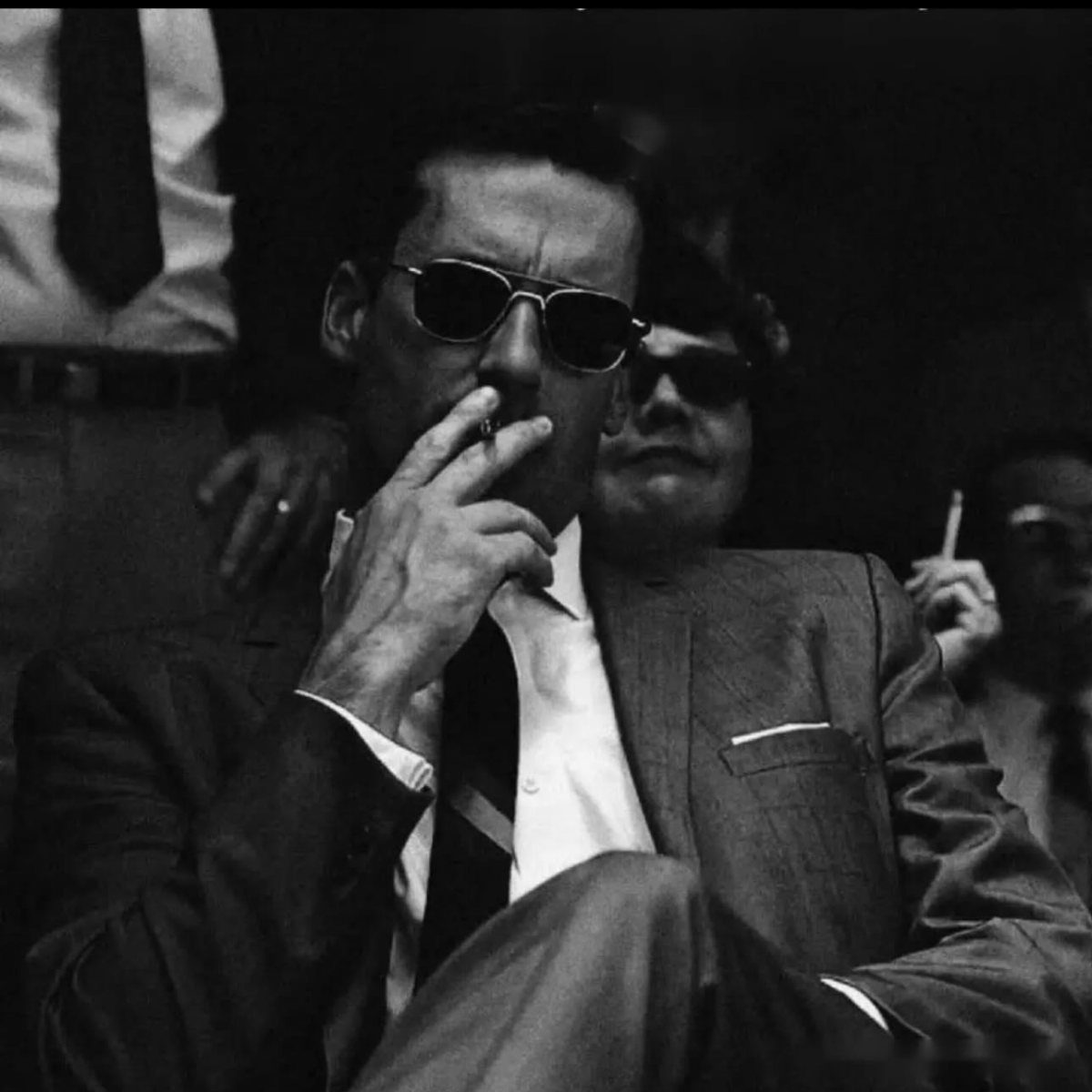
A narrow dark tie sits flat against a white shirt and makes a suit look sharper without adding anything loud. White shirt, dark jacket and dark tie is a three-part formula, and it is hard to get wrong.
A skinny tie suits a trim jacket best. Over a boxy cut it looks like an afterthought.
I would choose a solid in a dark shade over a pattern. Sunglasses are optional, but they sharpen the look further.
9. Mod-style Sunglasses
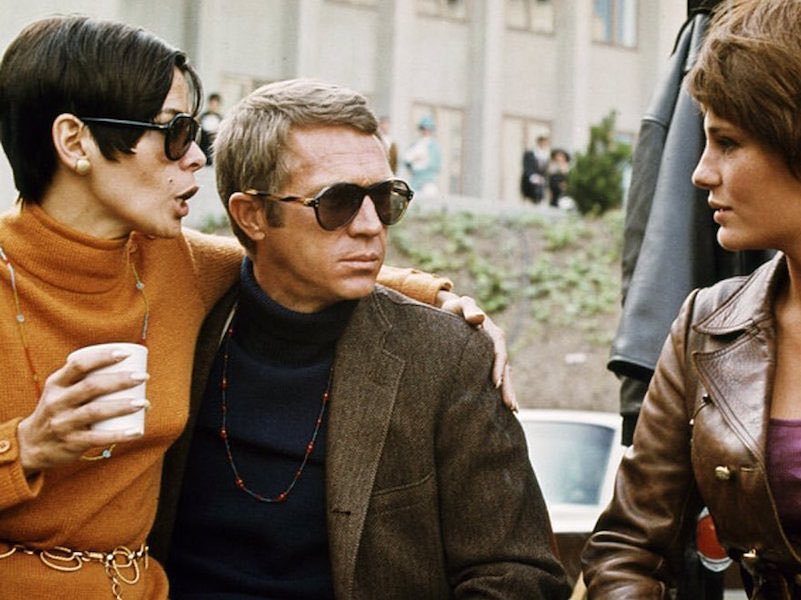
Dark tortoiseshell frames are the version I would buy first. They give the face definition and still read as relaxed, which is why they sit so easily on top of a turtleneck and a casual jacket.
Choose a frame that fits the width of your face, with the arms not pinching at the temples. Brown tortoiseshell pairs well with navy and brown, and it stays quieter than a pure black frame.
Keep the clothing simple. The glasses already carry the attitude.
10. Chelsea Boots
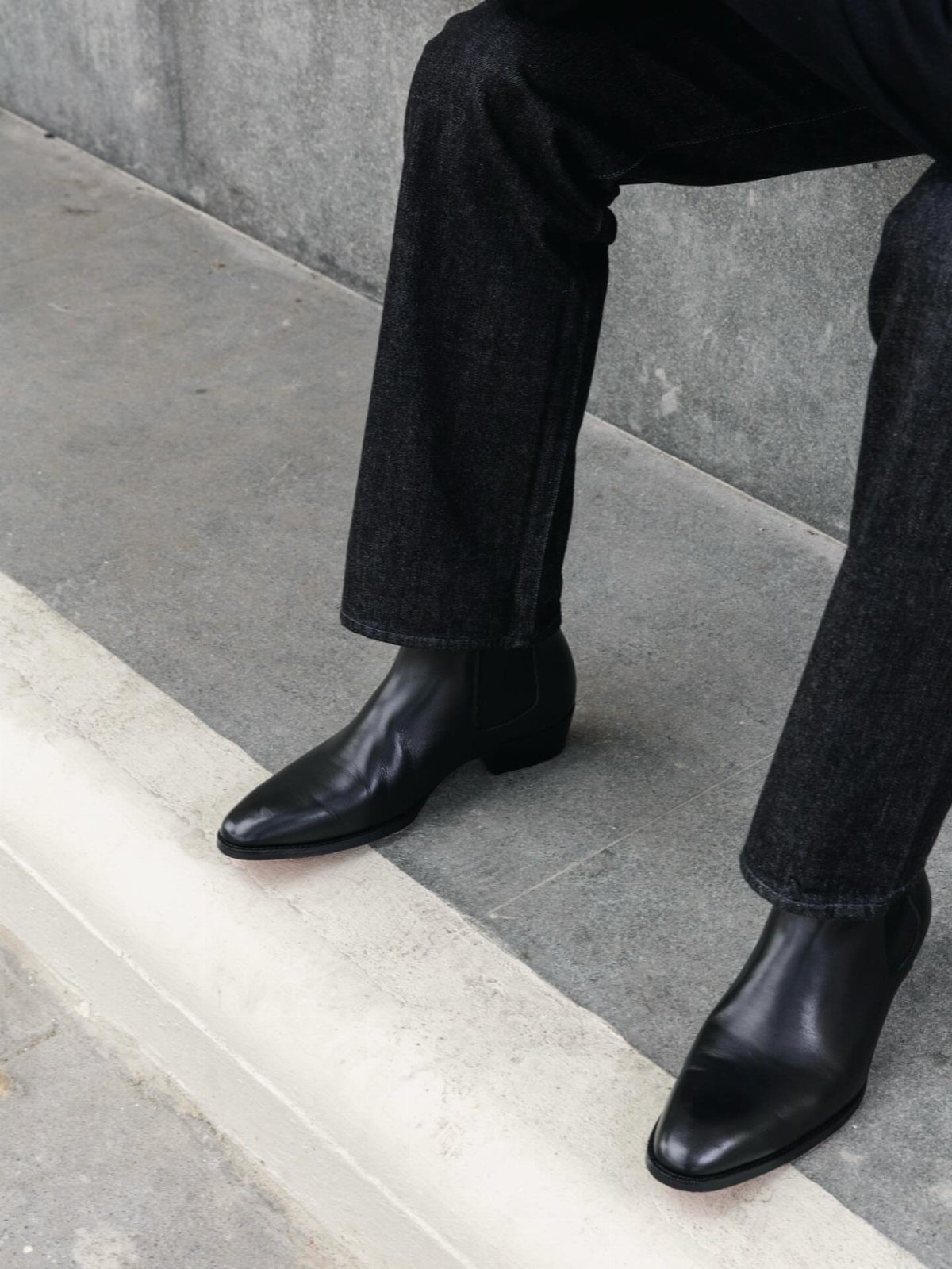
Black leather Chelsea boots under dark slim-fit trousers give you one unbroken line from hip to ground. The elastic side panel means no laces, so the boot looks clean and goes on in seconds.
Wear the trouser hem straight and narrow, ending at the ankle, so the boot’s shaft stays visible. Black on black is the easiest pairing I know, and one pair covers jeans, chinos and a suit.
A low, slim sole looks sharper than a chunky one. Keep the leather polished.
Understanding the Background of 1960s Fashion
The 1960s did not have one look. Conservative business attire, sporty suiting and casual weekend clothes all ran side by side, and men picked among them freely.
Ivy League style meant lettered cardigans and white trousers.
Mod style brought mock neck shirts and Chelsea boots with a sleek, youthful feel. The hippie movement added bell-bottomed pants and thrift store finds, a looser and more bohemian approach.
Casual was in and formality was out, which is why the decade still suits a man who wants to look sharp without a stiff wardrobe.
I would pick one of these strands and stay with it, because mixing Ivy, Mod and hippie in one outfit looks like a costume party.
Silhouette and Fit of Clothing
Fit is the first thing to get right with this decade. The silhouette is fitted and streamlined, with clean lines from shoulder to hem.
Italian cuts were trendy then, and they still give the sharpest result: a slim-cut suit and narrow trousers. A structured shirt keeps the upper body tidy and matches the rest of the outfit.
I would check the lines before anything else.
If the jacket pulls across the back or the trousers bunch at the hip, the look fails however good the pieces are. Slim does not mean tight; the fabric should lie flat, not strain.
Fabrics Used in 1960s Fashion
Fabric decides whether a 60s outfit looks sharp or dated. Most 1960s suits and shirts were cut from wool and cotton, and I still reach for both first, since they breathe well and hold up through years of wear.
Polyester and rayon gained ground because they resist wrinkles and are easy to care for. Used for a shirt you wear weekly, that convenience is a real advantage, though they breathe less than cotton.
Velvet gave jackets and trousers a deeper texture and a richer look than flat wool could. I would use it for one piece only.
A simple mix works well: a wool jacket, a cotton shirt, and a single textured item.
Frequently Asked Questions
How did men dress in the 60’s?
There was no single look. Office suits, sporty tailoring and relaxed weekend gear all coexisted in that decade, and a man could pick whichever fit his day.
3 looks defined the era: the Ivy man in a lettered cardigan and white trousers, the Mod in a mock neck and Chelsea boots, and the hippie in bell-bottoms and secondhand finds. Casual gained ground while formality lost it.
What should I wear to a 60’s party?
Pick one strand of the decade and stay with it. A slim-cut navy blazer over narrow trousers, a dark turtleneck under a textured jacket, or flared pants with a fitted denim Western shirt and a belt all read clearly.
Add Chelsea boots or mod-style tortoiseshell sunglasses, and keep the rest quiet.