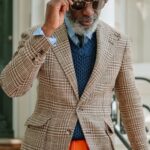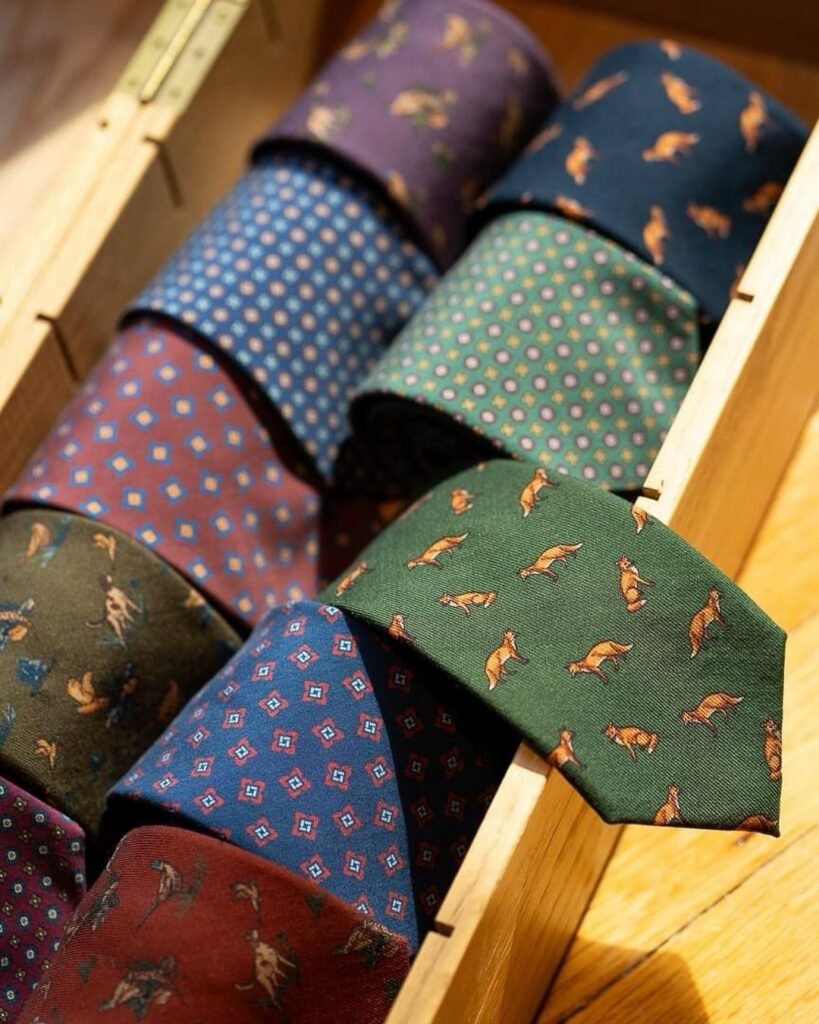
The right tie depends on the occasion you dress for most often, because the 11 styles here range from a plain light blue necktie that works under a suit or with a black button-down to a bow tie that only earns its place at dressed-up evenings.
Most men who wear ties for work and dinners should start with navy and burgundy, and learn the four-in-hand knot, which becomes a 30-second habit. Save the cravat, bolo and Full Windsor for the specific events that call for them.
1. Standard Necktie
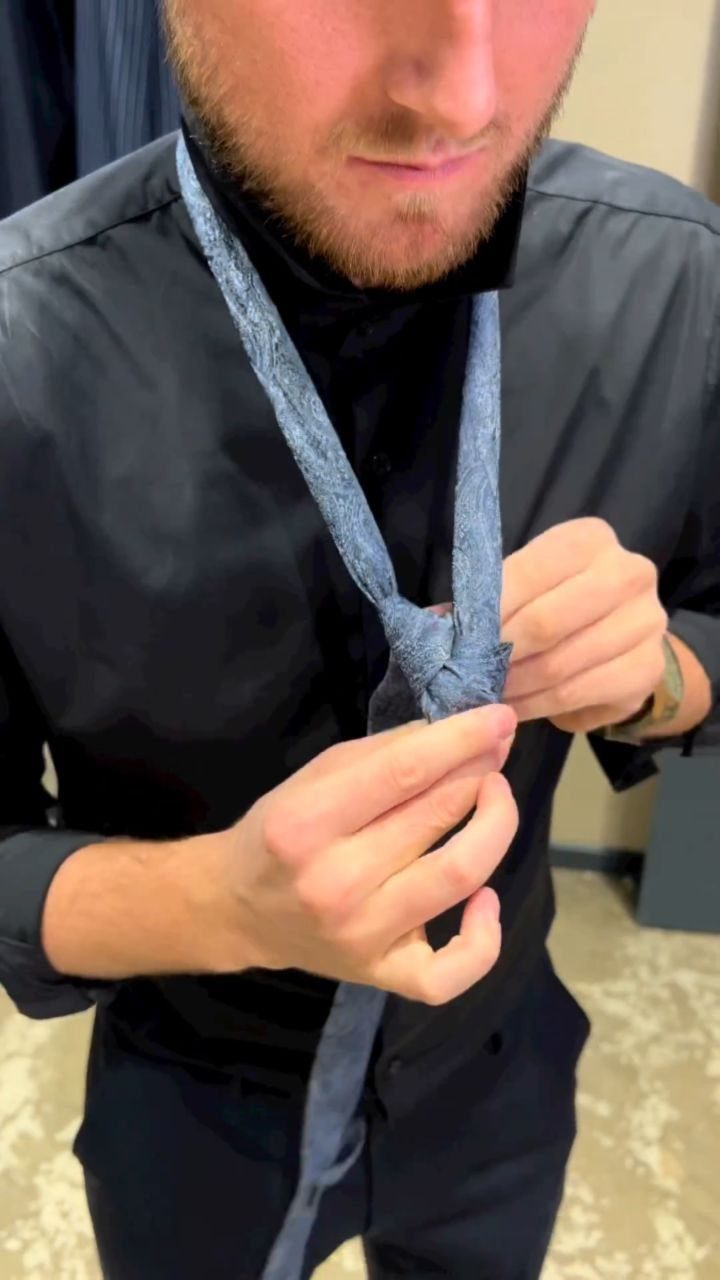
If I could buy only one tie, it would be a plain necktie in a textured light blue; the texture adds interest without clashing with anything.
A plain necktie works under a suit and just as well with a black button-down, and that range is why it beats every other style here for a man building a small wardrobe.
Pick a solid or a quiet texture before anything loud. One good tie like this covers interviews, office days and dinners without asking you to rethink the shirt.
2. Bow Tie
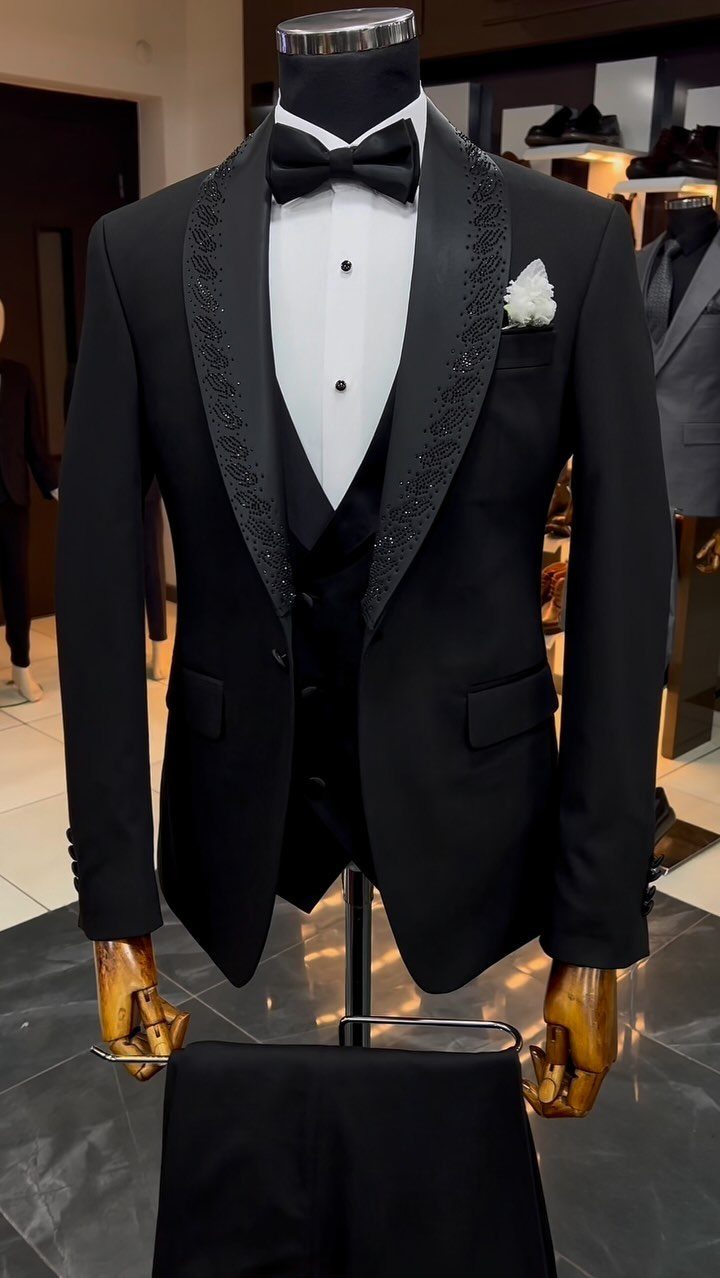
Black bow tie, white shirt, black tuxedo: that combination is the formal standard, and a mannequin in a store window shows it as well as any man does.
Bow ties belong to dressed-up evenings, so they earn a spot only if you attend that kind of event.
For a moderate budget, I would rent the tuxedo and own the bow tie. The tie is the small piece you can wear again.
3. Cravat & Ascot
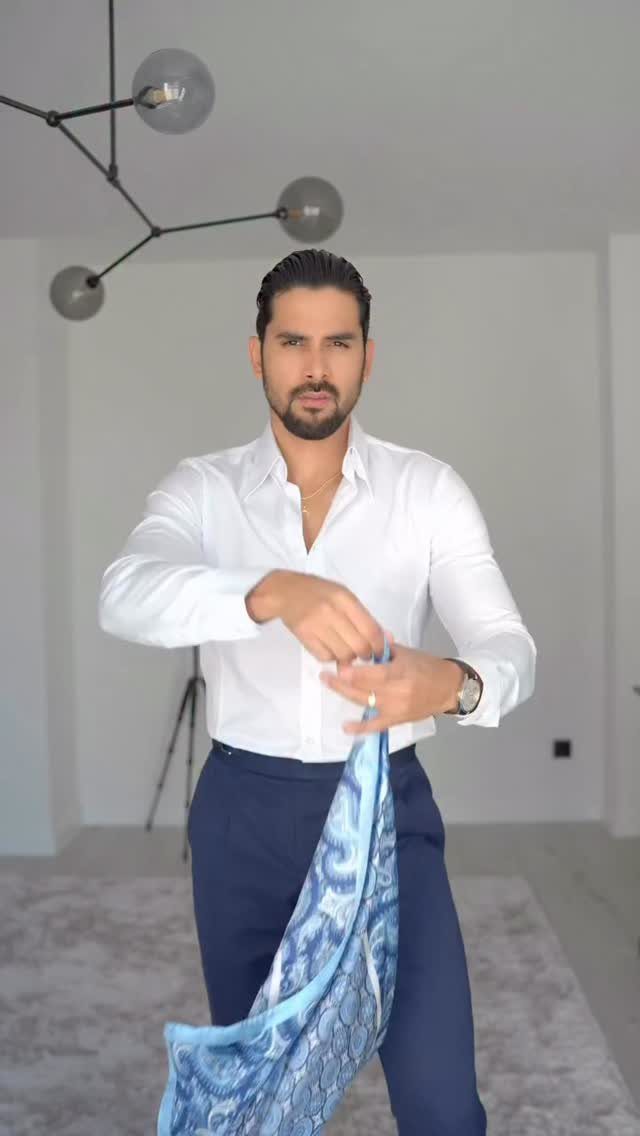
Cravats and ascots run wider than a necktie, and that extra fabric is what makes them a statement.
Everything else should stay quiet: a plain shirt and plain trousers.
The silk does the talking, and it can overwhelm a busy outfit fast. This is a weekend or special-occasion choice more than an office one.
4. Bolo Tie
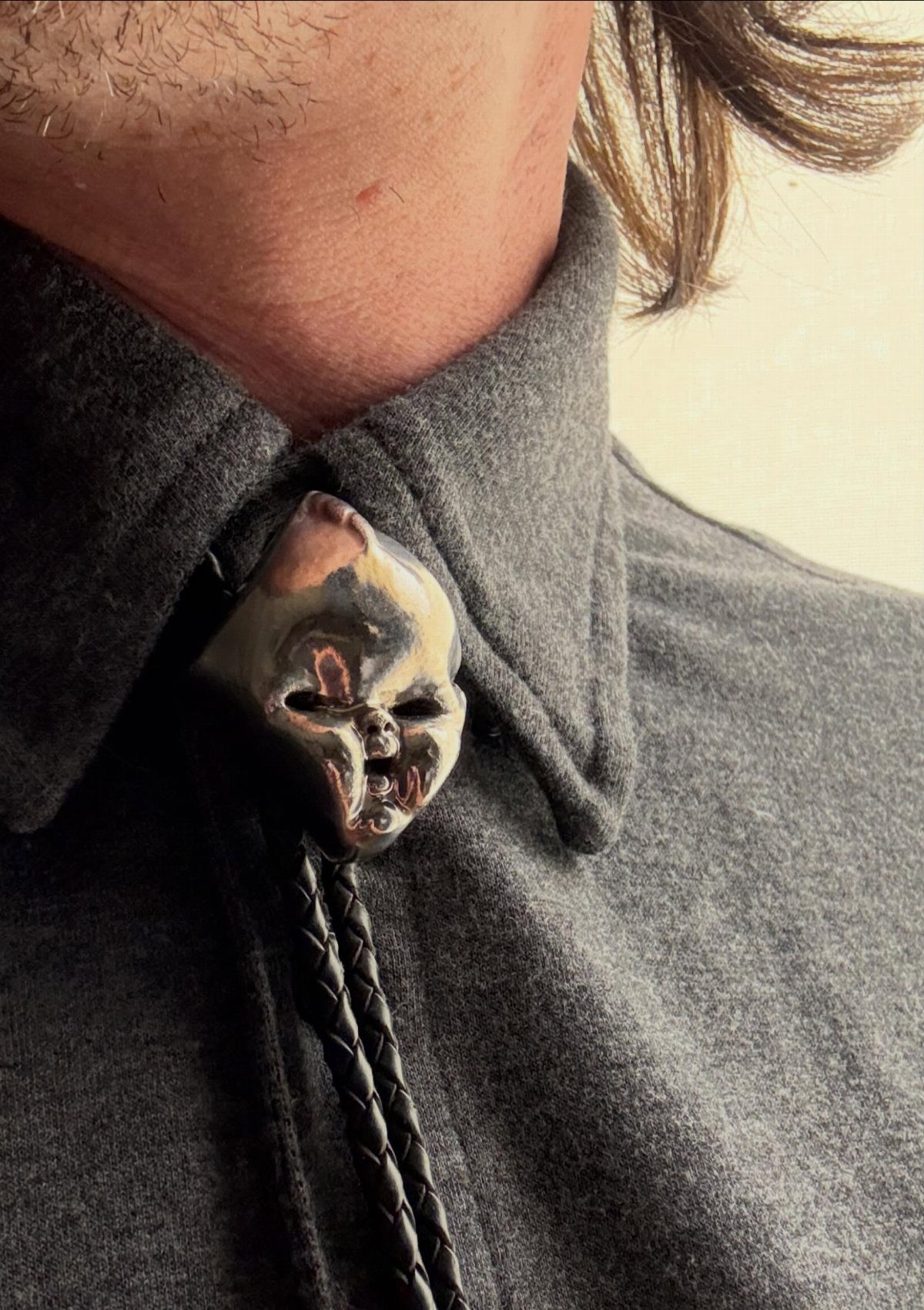
Western in spirit, the bolo swaps fabric and knot for a braided cord and a metal clasp.
Dark cord, light metal and a neutral shirt is the combination I would copy, whether the slide is a sculpted silver face or something simpler.
Let the clasp be the only loud thing.
Slide it up toward the collar for a dressier look, or leave it lower for a relaxed one. It will not replace a necktie at a formal job, so treat it as a personal-style piece.
5. Four-in-Hand Knot
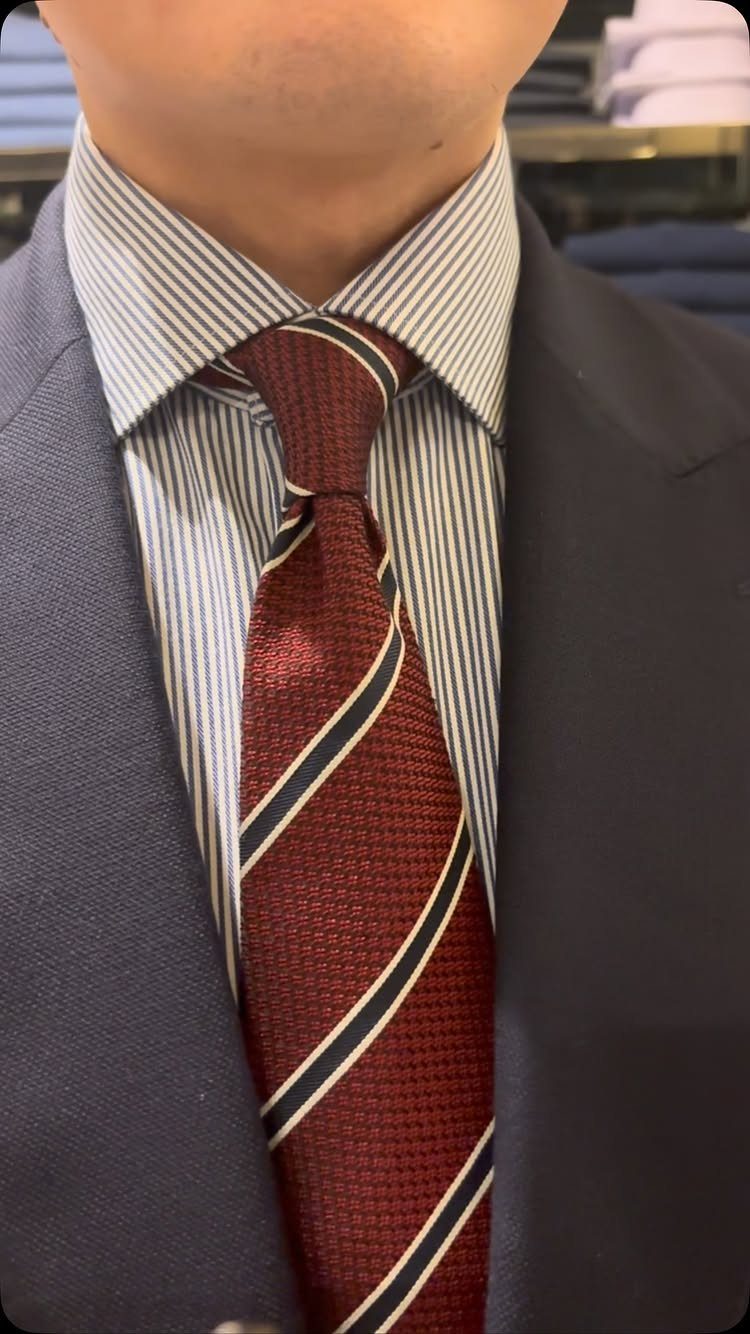
Easy to tie and quick to learn, the four-in-hand is the knot most men should settle on.
It comes out slightly narrow and a little asymmetrical, which suits a striped tie and a pinstriped shirt under a navy blazer without making the neck look crowded.
That slight lopsidedness is part of its charm, so do not fight it. Practice it a few times in a mirror and it becomes a 30-second habit.
6. Full Windsor Knot
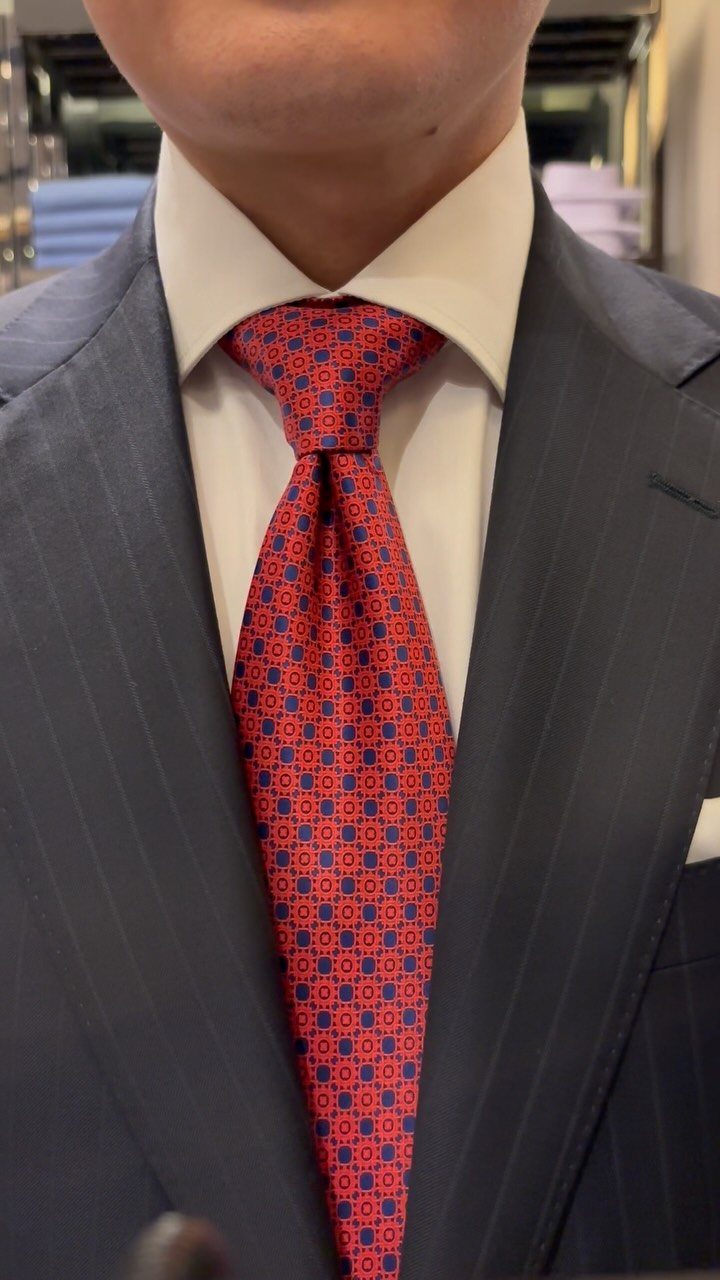
A full Windsor gives a wide, symmetrical, triangular knot, and it is the one to choose when the occasion is formal.
The big knot suits a pinstripe suit and a white dress shirt, since the bold fabric keeps it from looking bulky.
It takes more fabric and more steps than a four-in-hand, so a thinner tie can look stubby.
I would pair it with a spread collar, which has room for the width. For everyday office wear, it can be too much.
7. Wool Ties
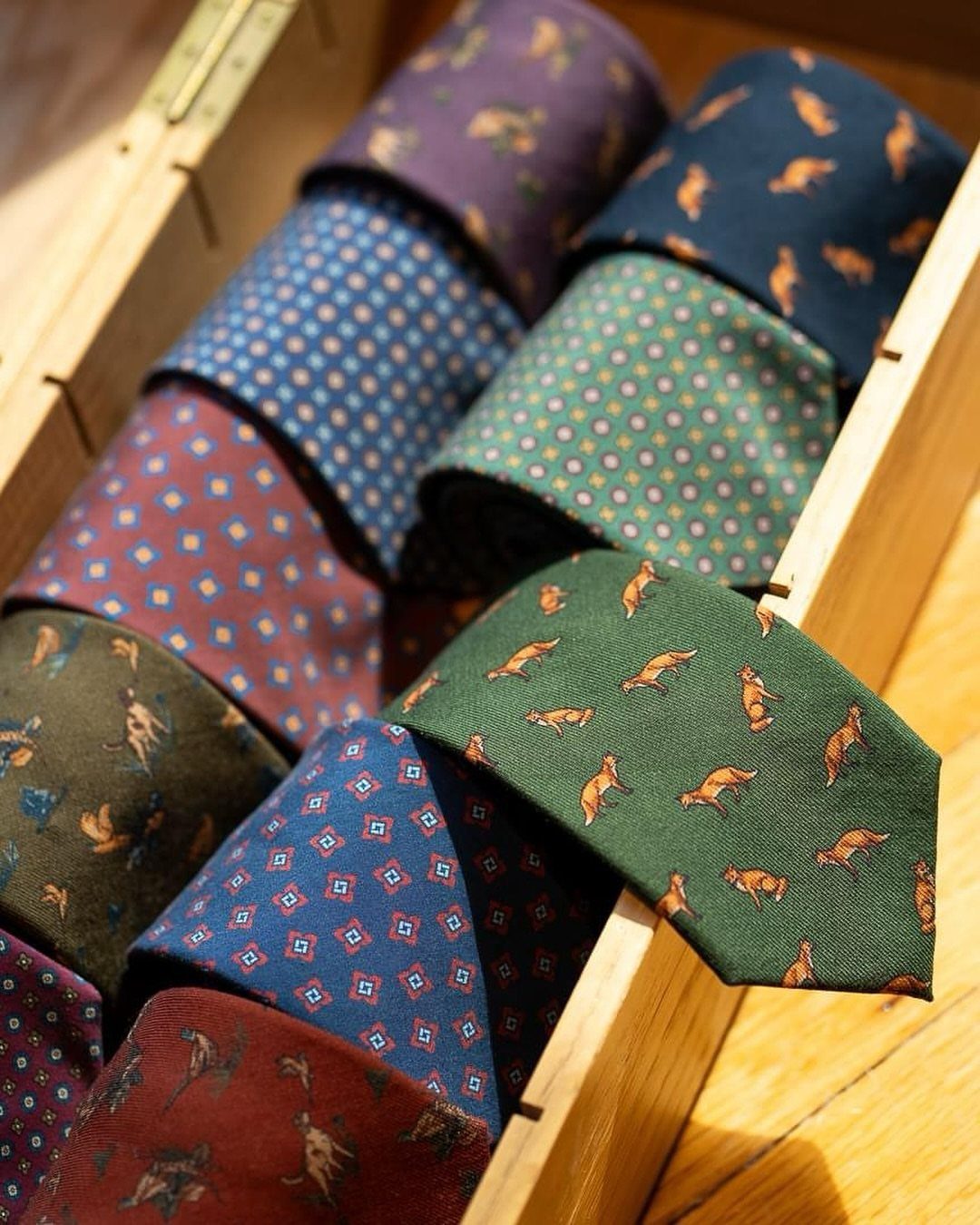
Wool ties belong to fall and winter, and they sit best with a tweed jacket, a flannel shirt or a chunky sweater. The matte surface looks warmer than silk, so it suits casual outfits more than a sharp suit.
I would start with one in a deep color like green or burgundy, since those mix with navy, gray and brown. Store wool ties rolled loosely, not folded or knotted, so the fabric keeps its shape and doesn’t crease.
8. Knit Ties
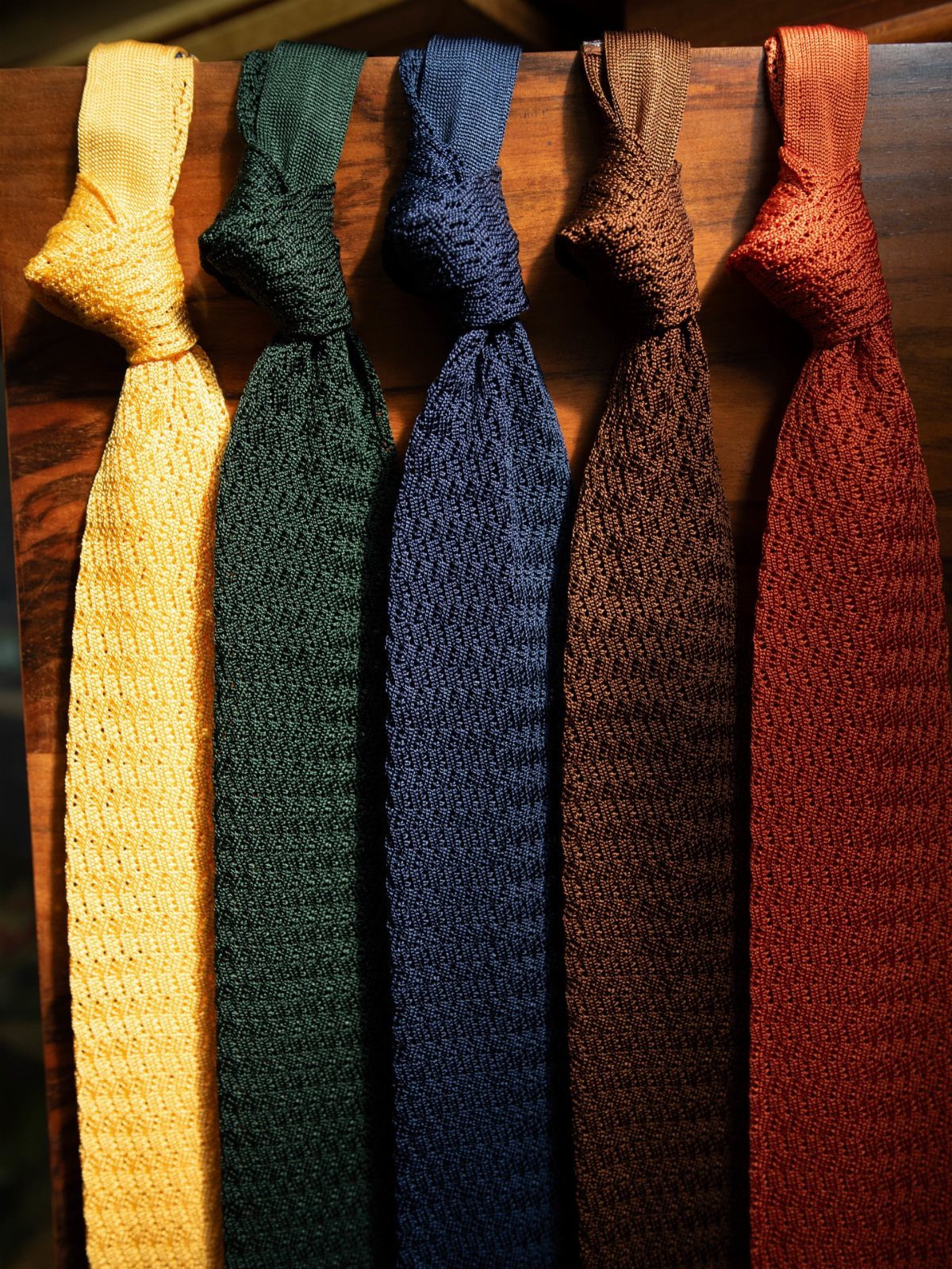
Knit ties trade a smooth weave for visible texture, and that is where the relaxed elegance comes from. The ends are usually square rather than pointed, which reads casual even with a jacket.
Navy and brown are the two I would buy first, because they work with almost any shirt and jacket in a small wardrobe.
Rust red and green are good second picks. Keep the shirt plain so the texture is the only detail competing for attention.
9. Tie Patterns
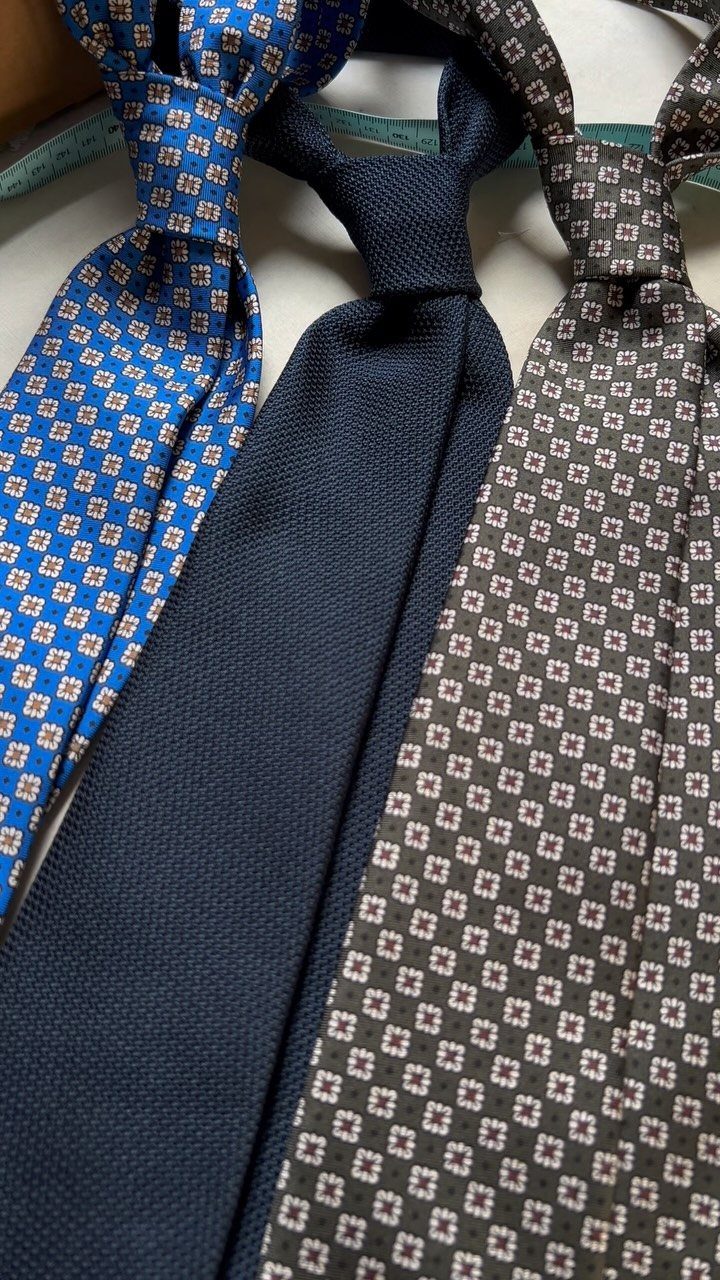
Patterns are where a tie starts to sound like you. Small motifs, such as tiny geometric shapes or little florals, read as personality without shouting, and they take less effort to wear than big bold prints.
Pair a patterned tie with a solid shirt, and leave the jacket plain too.
A solid navy knit tie is the safe anchor to own first; add one small-motif tie after that. Moderate budget, versatile result.
10. Tie with Leather Jacket
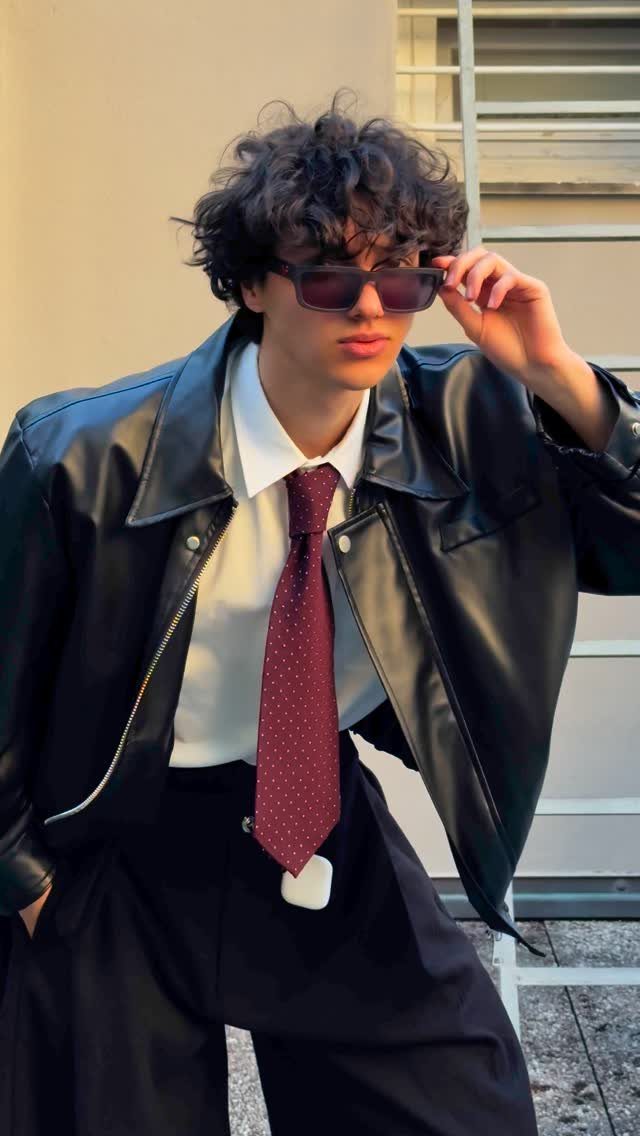
A black leather jacket over a collared shirt and a tie pulls dressy and rugged into one outfit. Polka dots or another small pattern in a deep red keep the tie away from office-wear territory.
Keep the shirt crisp and white so the tie stands out against the black. Black trousers keep the whole line sleek.
Knot the tie snugly and zip the jacket only partway, so the tie stays visible. It suits evenings and dates better than a formal workplace.
11. Tie with Short-Sleeved Shirt
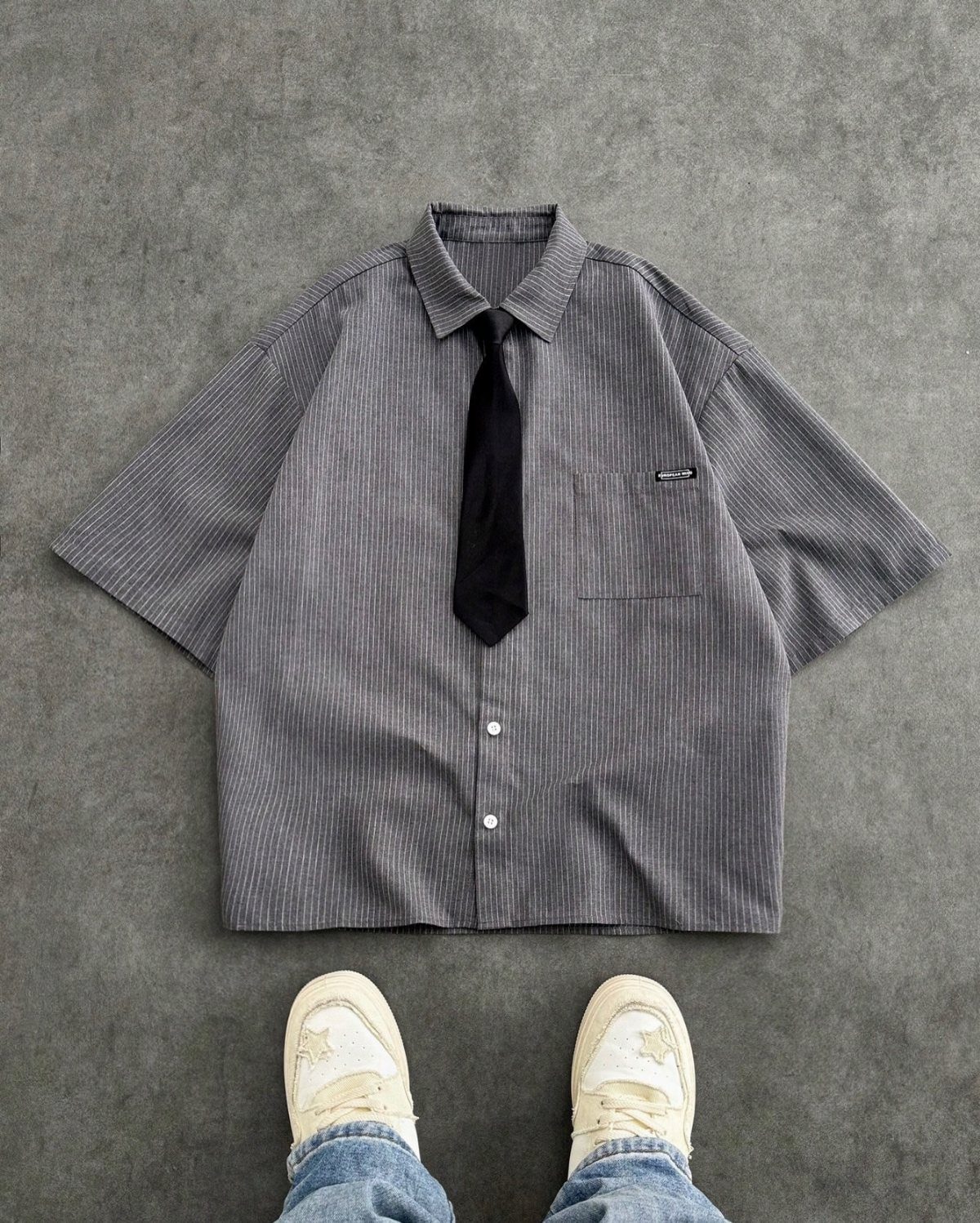
A short-sleeved button-up with a tie is a casual-leaning mix, and it only works if everything else stays relaxed. A gray striped shirt with a black tie is a clean version of it; jeans and sneakers keep the tone easy.
Choose a slim tie, and tuck it between the second and third buttons if it flaps around.
Skip it for formal offices, where long sleeves still win. For a warm-weather weekend, though, it looks deliberate rather than sloppy.
Tie Care and Maintenance
Fabric decides how long a tie lasts and how it looks, so check the material before you check the price.
Silk is the classic choice. Polyester is durable and easy to find, and many versions now look close to natural fibers.
Cotton and linen ties look looser and lighter than silk, so I save them for summer, when a heavy tie feels like a mistake.
For fall and winter, I reach for wool or a knit tie, since the nubby texture adds depth to a plain jacket.
A better tie usually pairs good fabric with refined finishing. That finish is what keeps it looking sharp after many wears, so a pricier tie can cost less per wear than a cheap one you replace.
Tie Shopping Tips
Start with navy and burgundy. Both work with the shirts and jackets most men already own, so a first purchase rarely sits unworn.
Then look at your closet before you buy a third. If your shirts run white and light blue, a medium blue, orange or yellow tie adds color without a fight.
On patterns, polka dots are a good first step.
Avoid dots that are very large or very small; a mid-size dot reads classic. Solid ties look clean and professional, stripes are the traditional business pick, and paisley is bolder.
Occasions for Wearing Ties
Match the tie to the setting. Silk is the one I’d buy first: it works with a suit at a wedding or a sport coat at work, and it holds a knot well.
At the office, a solid or a small, quiet pattern like a pin dot is safest; loud stripes and big prints are better when the dress code relaxes.
Match tie width to lapel width, so a jacket with a wide lapel calls for a wider tie.
Three or four well-made ties in navy, burgundy and a muted stripe will cover interviews, weddings and a dinner out without much thought. A tie can lift even a very basic outfit.
Frequently Asked Questions
What are some designer ties for men?
Charvet, Burberry and Valentino Garavani are the high-quality names that come up most.
Good silk and clean hand finishing are what separate a better tie from a cheap one, and the finishing is why the knot still looks crisp after a year of wear.
How to wear a tie with style?
Lapel width sets the tie width: a jacket with broad lapels wants a tie about 3.5 inches across, and a slim lapel looks right with 2.5–3 inches.
A patterned tie works best against a solid shirt, with a plain jacket so only one thing in the outfit is busy.
Silk is the safe pick for most formal settings; wool and knit ties look more relaxed and suit cooler months.
Can a boy wear a men’s tie?
Yes, boys can wear men’s ties, especially for formal occasions. A tie that fits the occasion is what counts, and a plain navy or burgundy one is an easy pick for weddings and dressed-up events.
Why do guys wear ties?
Ties signal class, style and polish, and they can lift even a very basic outfit.
Men wear them to interviews, weddings, the office and a nice dinner out. A navy tie, a burgundy one and a muted stripe handle nearly every job, date and event I can think of.