The ideas run from a single borrowed piece, like a scarf tied at the hip or cord bracelets, to a full tiered skirt in 3 prints or a saree with red bangles.
How far you go depends on how much of your usual wardrobe you want to keep: if you’re nervous, start with Versatile, Gender-Neutral Accessories or Functional & Utilitarian Footwear, which change one item and leave the rest alone, and if you’re comfortable, try Cardigan and Floral Skirt or Multi-Patterned Tiered Skirt, which swap out the whole bottom half.
Every look here is built so that one piece does the loud work, and the other pieces stay plain.
1. Oversized, Androgynous Silhouettes
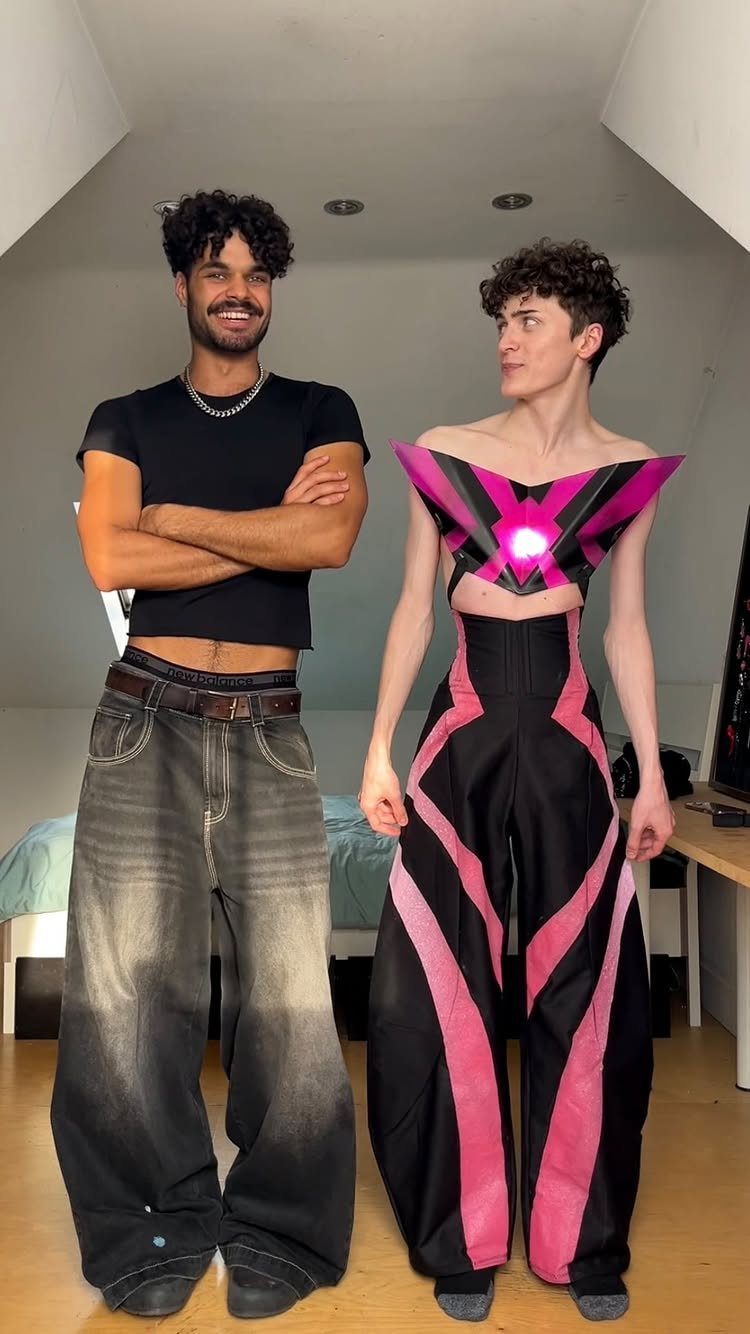
Volume is the whole trick here, and one oversized piece is enough to carry it. Wide-leg trousers with a fitted top, or a loose tee over slim pants, keeps the outfit from looking like borrowed clothes.
A quiet outfit and a loud one can share a look when the shapes match: loose, boxy cuts on both halves hold the pairing together, whether the top is plain black or a geometric print.
Keep the shoulders sitting where your shoulders actually are, and give the legs room to drift.
2. Tailored Power Suits for All Genders
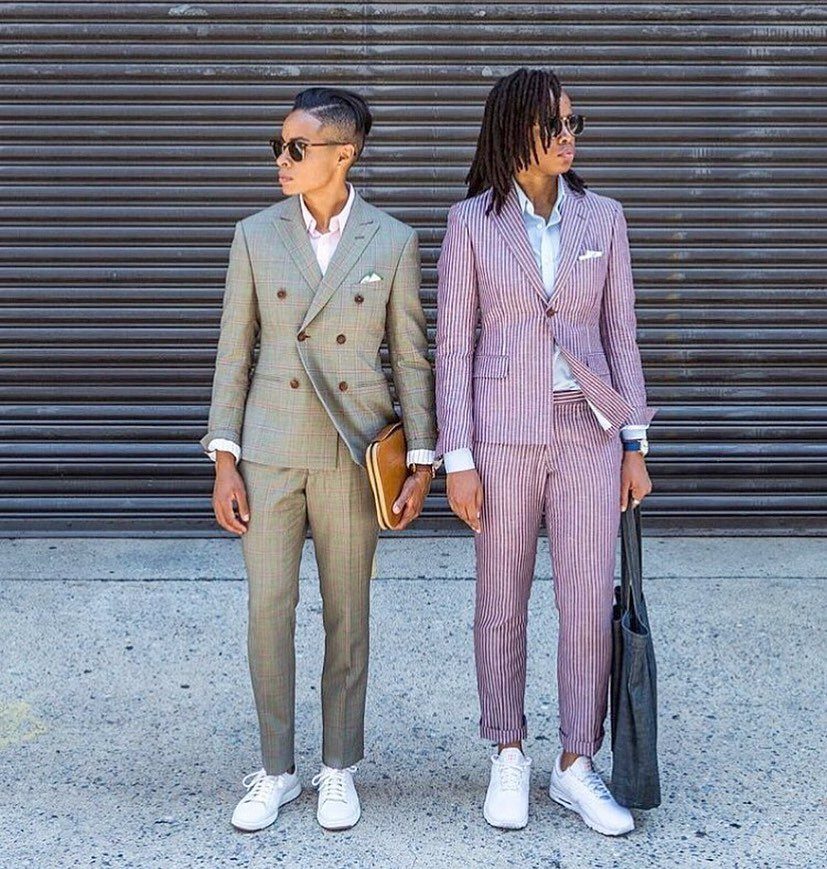
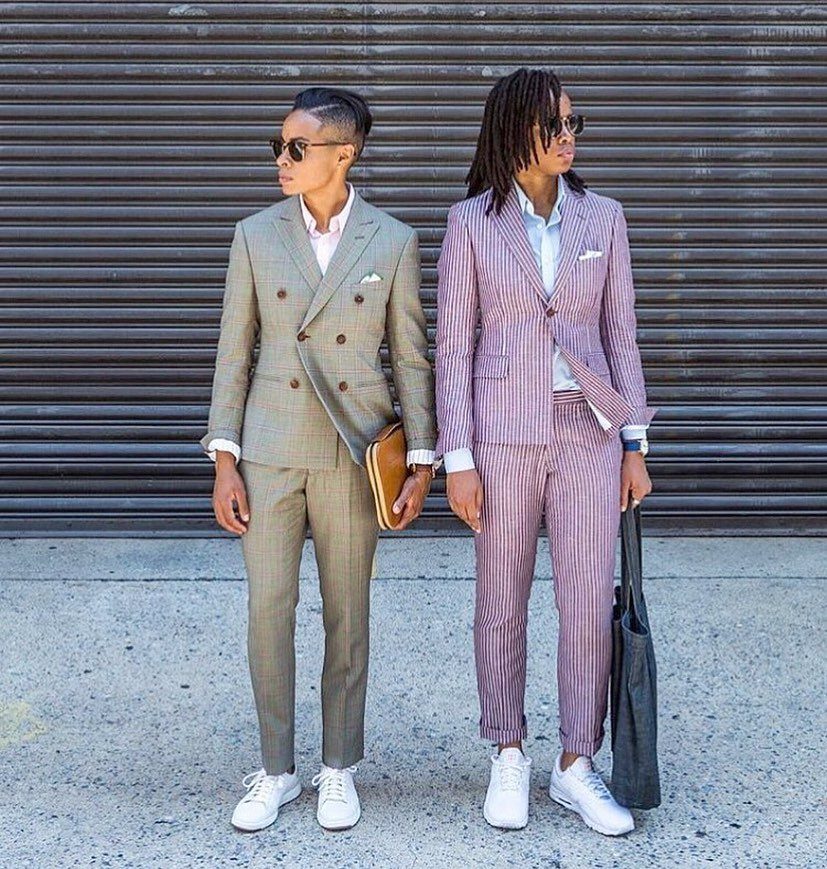
A double-breasted jacket in a plaid or a stripe does more for a suit than any accessory could. Pattern gives the cut some personality, so the tailoring can stay clean and sharp.
White sneakers and sunglasses make it easy to wear on an ordinary weekday.
I’d pick one bold pattern and leave everything else quiet. 2 loud suits side by side work only because each person leaves the other pieces plain.
3. Blurring Masculine & Feminine Silhouettes
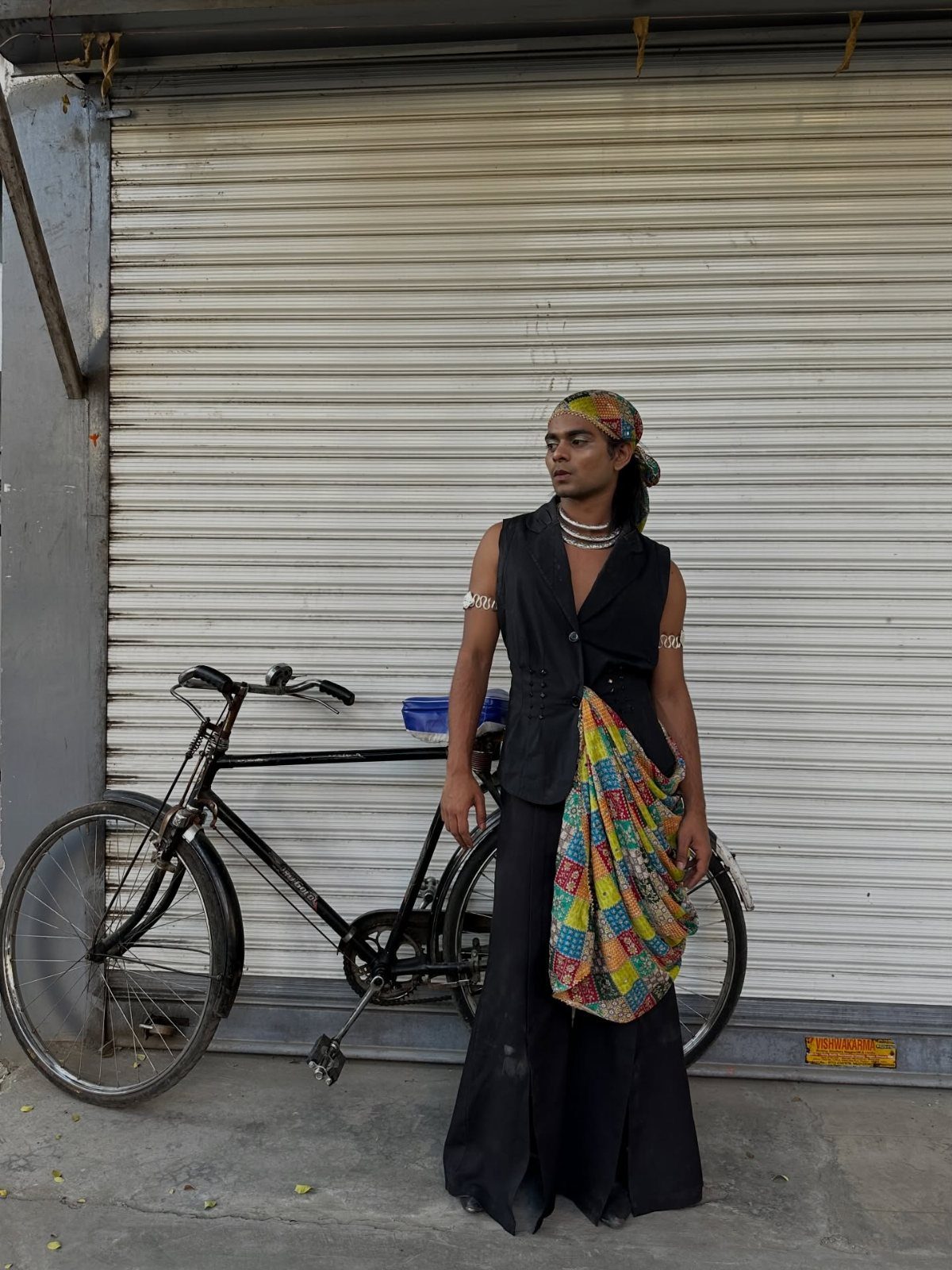
A draped cloth at the waist over plain black trousers is the cheapest way I know to mix the 2 wardrobes.
Add a little jewelry and the look finishes itself.
If you’re nervous, start with one borrowed piece rather than a full swap. A scarf tied at the hip tests the idea for almost nothing.
4. Versatile, Gender-Neutral Accessories
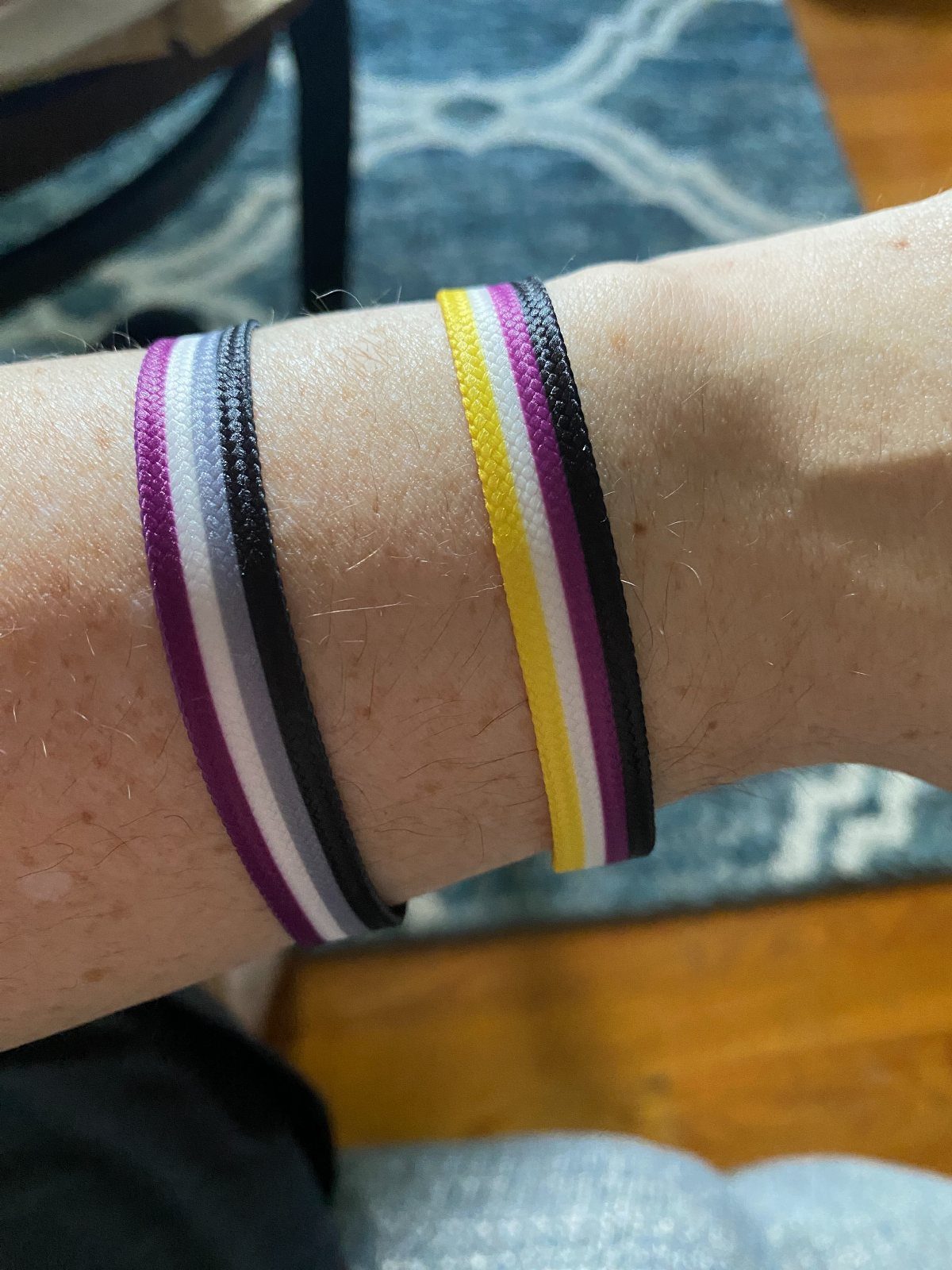
Woven cord bracelets are the easiest place to start. Stack two in different colors and the wrist looks considered without any effort.
Wear them on a bare forearm with rolled sleeves or a short-sleeve shirt so the colors show.
Cord costs little and goes with anything, which makes it a low-risk first step. Mixing the palettes, purples with yellow, keeps the stack from looking matched out of a box.
5. Functional & Utilitarian Footwear
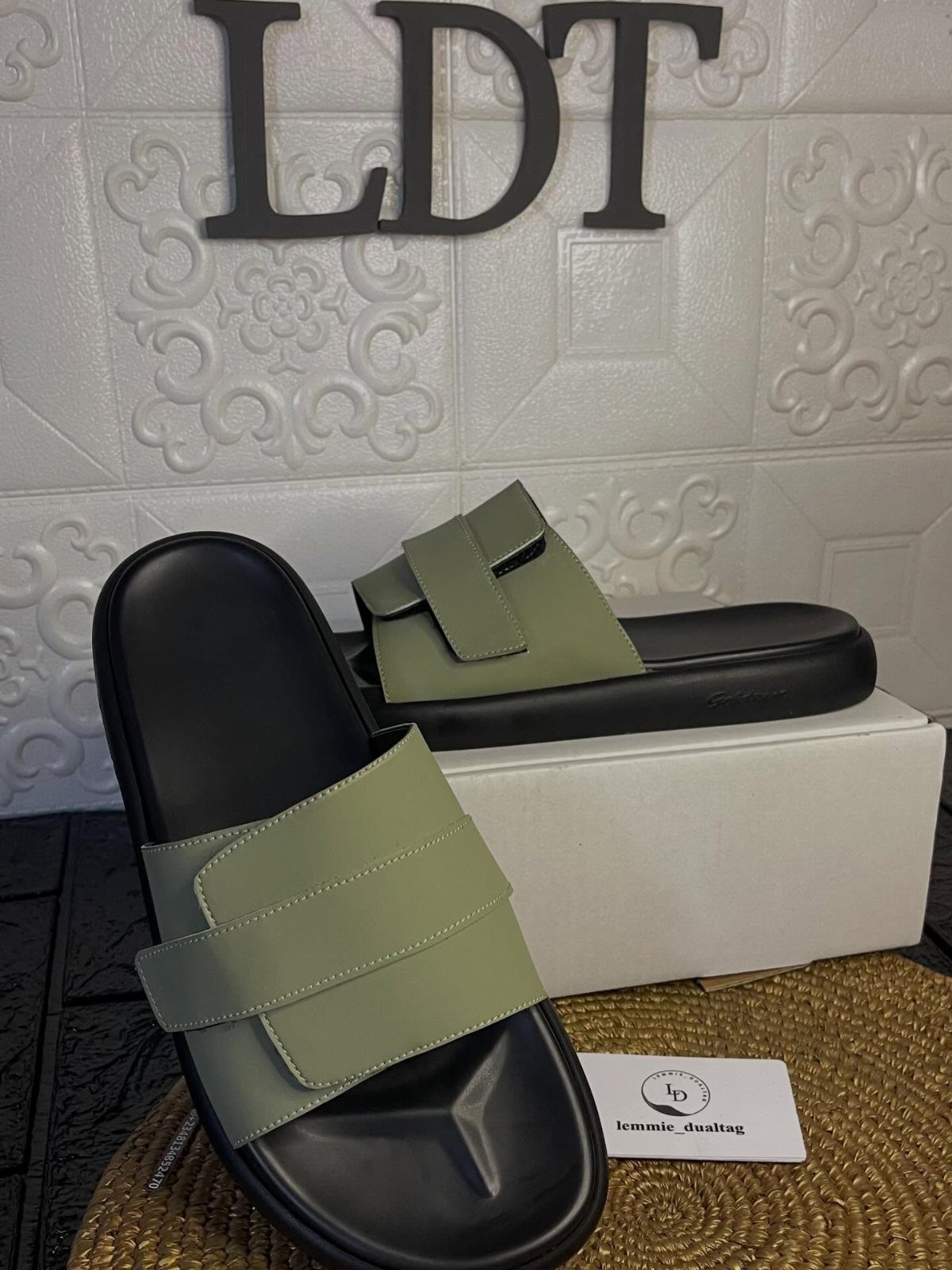
Sage or olive pairs with almost any outfit, from shorts to wide-leg trousers.
I prefer a muted color over black, since it softens an outfit instead of weighing it down.
A sock under them makes the look sharper and more deliberate. They suit warm days and casual plans best, and I wouldn’t send them to an office.
6. Traditional Garments
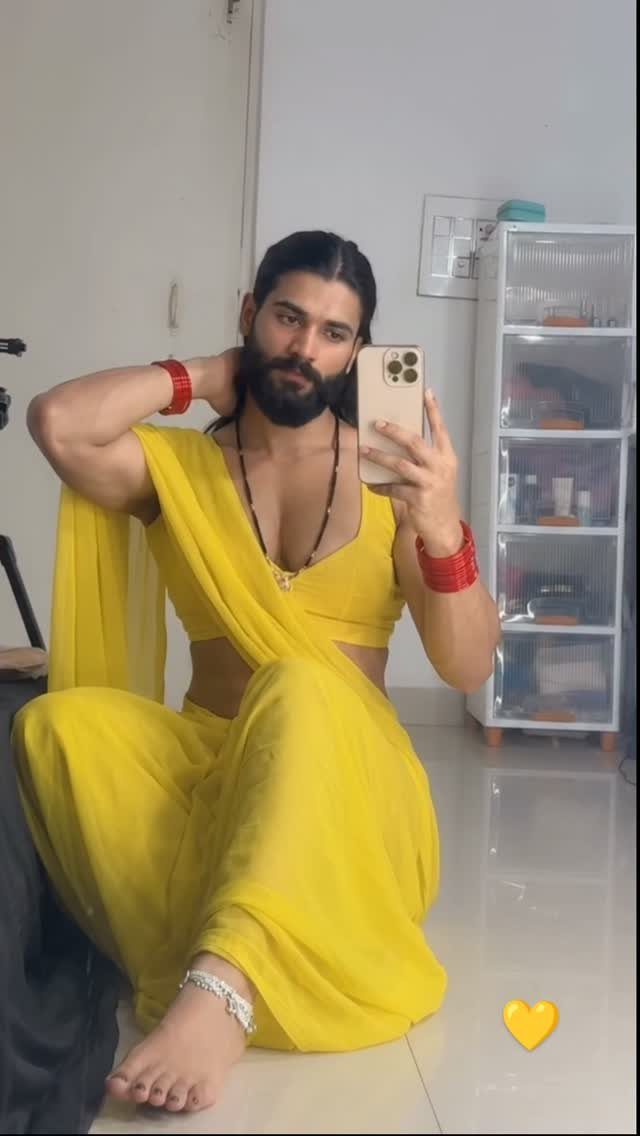
A saree on a man is a reminder that most of what we call women’s clothing is simply regional dress. Bright yellow with red bangles and an anklet is a full, confident outfit with nothing borrowed or toned down.
Before trying a traditional garment from another culture, choose one tied to an occasion and wear it with respect for its origin. Start with one item, like bangles, before committing to the whole drape.
7. Cardigan and Floral Skirt
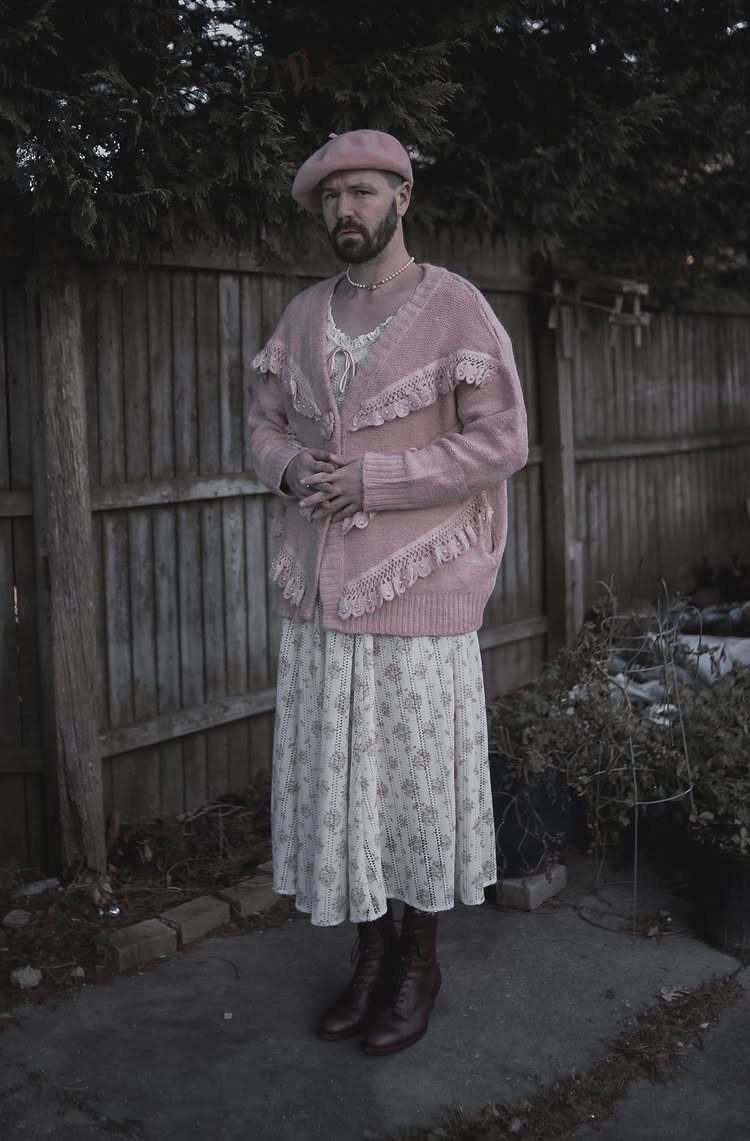
Knitwear is the bridge here. A cardigan is already a soft, familiar piece, so a long floral skirt under it reads as a natural next step rather than a leap.
I like keeping the palette close: pink on top, white below, with pearls as the only jewelry. Brown boots ground the softness, so the outfit never tips into too sweet.
If a skirt feels like a lot, wear the cardigan with your usual trousers first and swap the bottom half later.
8. Sweater Vest and Button-Down
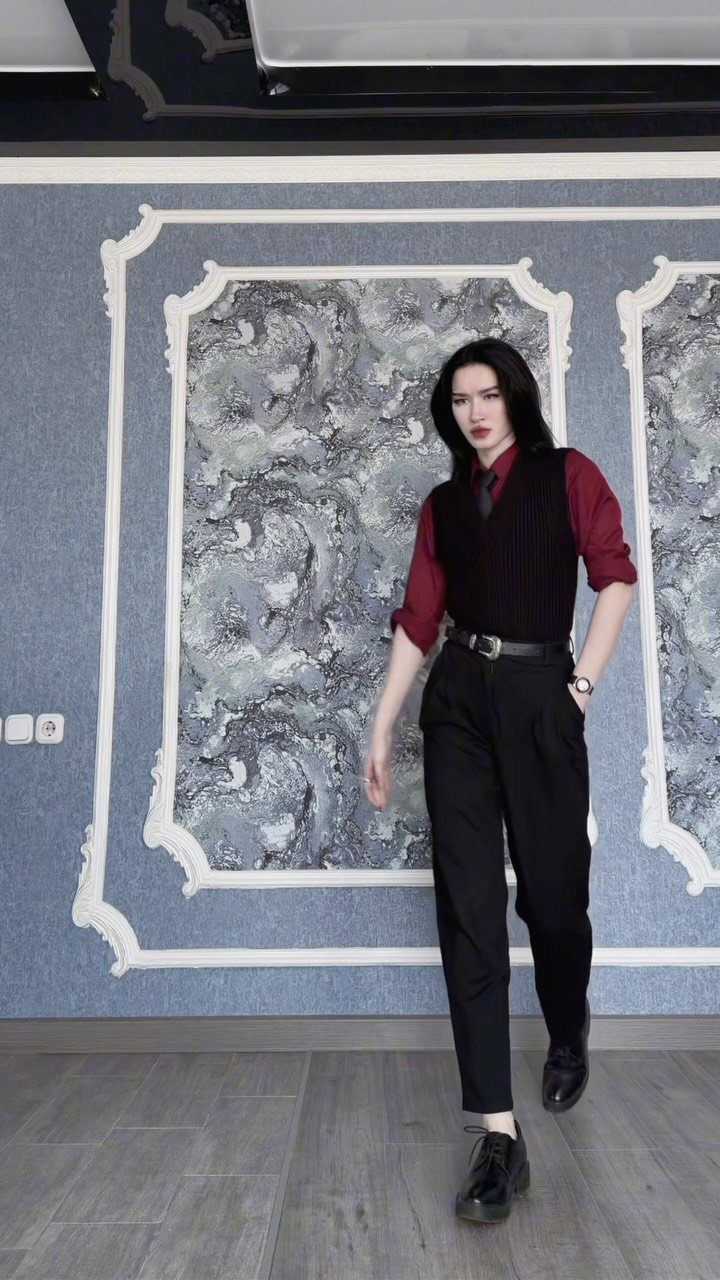
A sweater vest over a button-down is about as conventional as menswear gets, which is why it works on anyone. The shirt supplies color and the vest supplies structure.
Maroon under black is a rich pairing, and a black tie keeps the whole thing in one tonal family. I’d skip patterns here and let the layers do the work.
Black trousers and dress shoes finish it. Because every piece is traditional menswear, the effect comes from how the layers sit together, not from anything unusual.
9. Polo with Wide-Leg Trousers
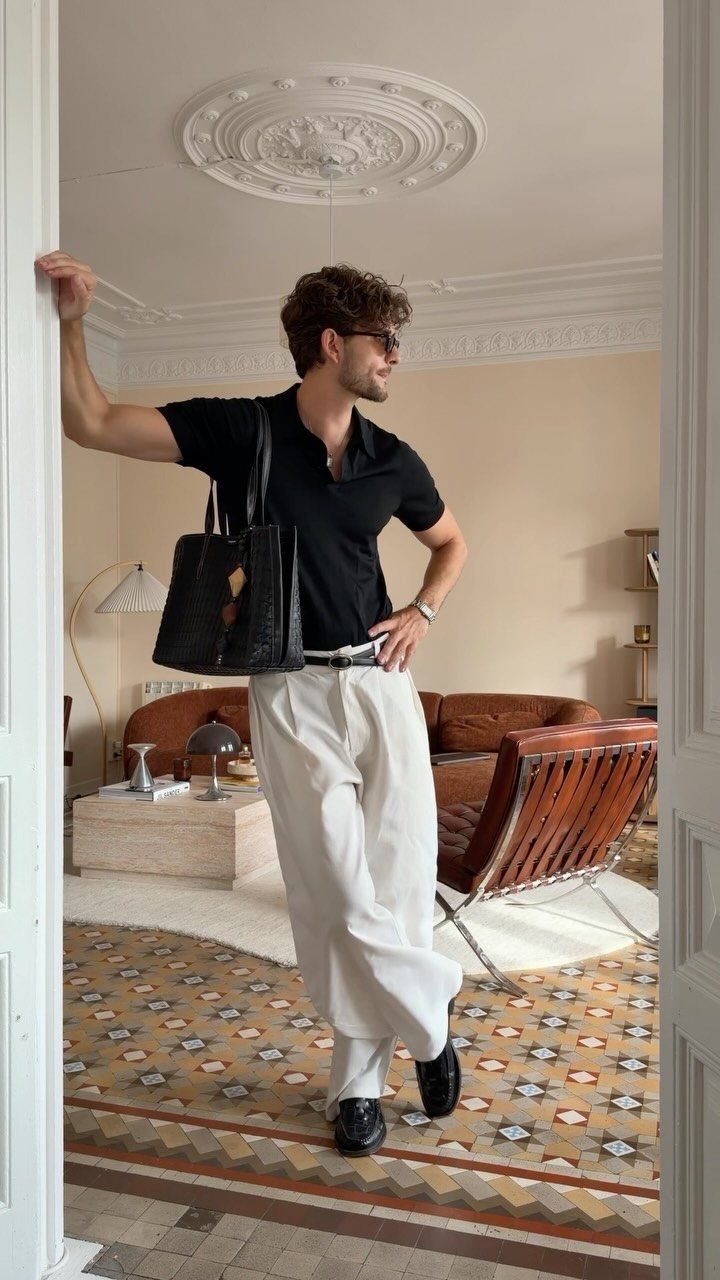
Black on top and white below gives a polo a second life. Pleated wide-leg trousers add drape, so the casual shirt stops looking like weekend wear.
Black loafers tie the outfit back to the top and keep it polished. I’d choose a polo that fits closely through the chest, since all the volume belongs in the trousers.
An oversized black shoulder bag completes the look and carries the day’s things. Pick one big bag, not a pile of small ones.
10. Multi-Patterned Tiered Skirt
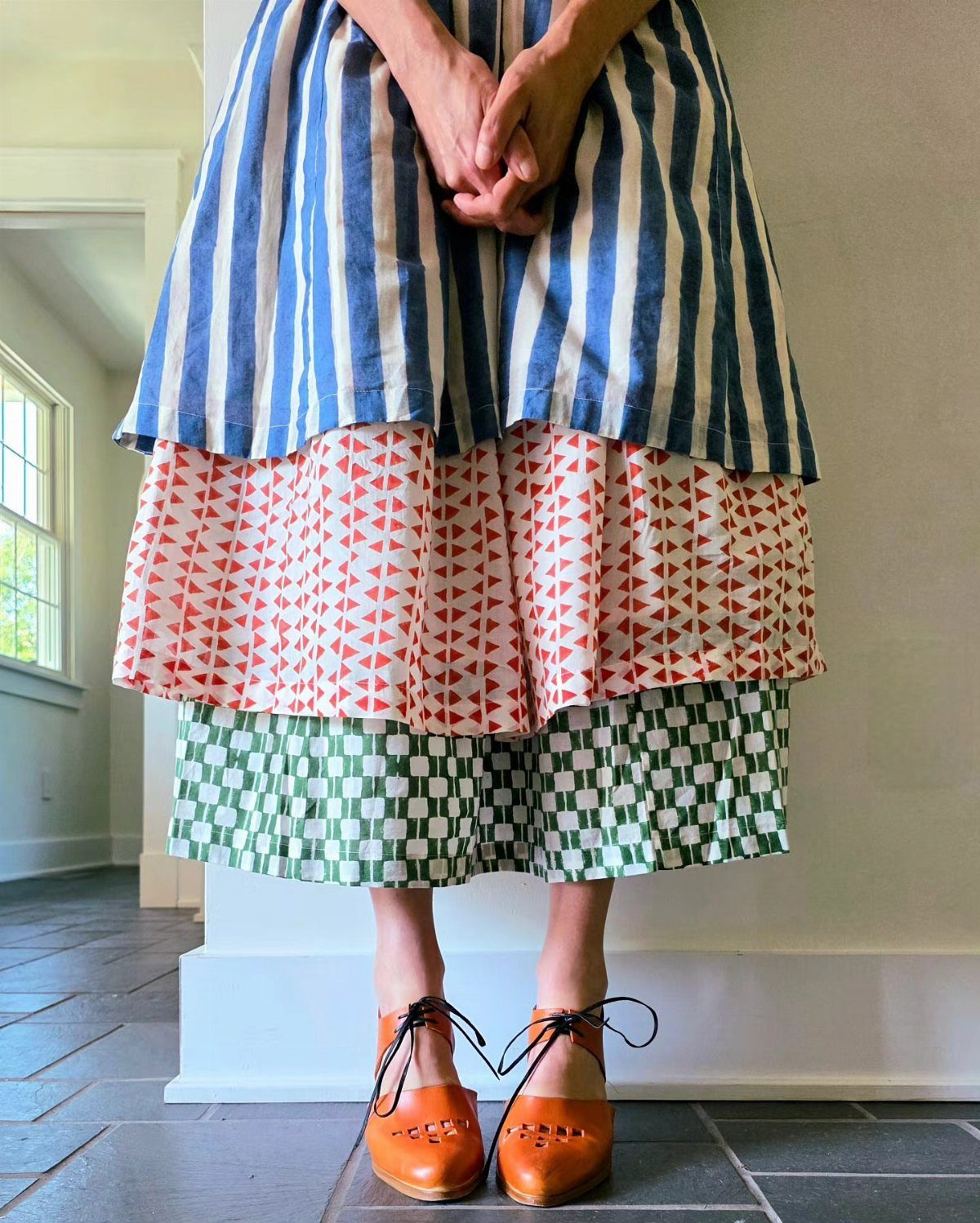
Pattern does the talking in a tiered skirt: stripes, triangles and checks each get their own tier, so no single print has to carry the outfit.
The trick to wearing this much pattern is a quiet base. Tan leather lace-ups work because they’re plain, classic and the same shoes you’d wear with chinos.
I’d keep the top solid and simple, in a neutral shade. Three prints in one garment is already a full statement, and anything more busy above the waist would compete with it.
Historical Context of Gender Fluidity
Skirts for women and trousers for men is a newer rule than most people assume. For centuries in the West, what people wore didn’t split sharply by gender, and that held until the feudal Middle Ages.
For thousands of years before that, what you wore signaled your status, and for people without status it was simply practical.
Gendered fashion arrived with the feudal market. Designers and artisans began bending those norms as the Renaissance approached, and even a little before it.
The feminist movement of the mid 19th century sped things up, especially through the 20th century. Women’s wardrobes went from corsets to cargos within a few decades, while men’s choices barely moved.
That gap explains why a man in a skirt still gets looks. The clothes were never the problem; the habit is recent.
Mainstream Acceptance of Gender Fluidity
Gender fluid fashion is not equally accepted everywhere.
The more extreme looks still show up mostly on runways, in media, and in queer bars and clubs. Some pieces, though, are already well established in the mainstream, and those are the safest place to begin.
Men’s fashion is a late arrival here. Women wearing pants stopped being news long ago, and the broader idea of wearing whatever you feel like is only now catching up.
Designers keep moving past the men’s and women’s divide, and I see buyers asking for clothes that ignore it more every year. That means more choices in more stores, so you can try a piece without hunting for it.
I’d pick the mainstream-friendly items first and see how they feel on an ordinary day. The runway pieces can wait.
In 2024, genderfluid fashion – characterised by its adaptability and defiance of conventional gender norms – is expected to have a significant impact. Gender non-conforming people have always found ways to express who they are through their clothing, regardless of historical period or cultural context.
Influence of Gen Z and Millennials
Gen Z is pushing streetwear toward identity-first, genderless clothing, and sustainability is part of that push. Oversized hoodies, mixed textures, and bold statements lead the look.
If you want to shop the way that generation does, buy secondhand or buy fewer, better pieces. A hoodie that fits no category is easy to find used, and it costs less than something new.
Mixed textures are the simplest part to copy. Pair a fleece or knit with something smooth, like nylon, and the outfit gains depth without adding a single loud color.
Men’s fashion is still catching up, so wearing what you like puts you slightly ahead of the curve rather than behind it.
Frequently Asked Questions
What does gender-fluid fashion mean?
Gender-fluid fashion is clothing worn without regard to the men’s and women’s divide, following the idea that gender expression or identity can shift over time.
A gender-fluid person may or may not be trans, and often but not always identifies as non-binary.
Plenty of fashion has been gender-fluid without calling itself that, since the split between skirts for women and trousers for men is a fairly recent rule.
Why is Gen Z fashion so baggy?
Baggy clothes read as a statement about who you are rather than who you are supposed to be, and the oversized hoodie is the easiest way into that for most guys under 30.
Mixing textures, like fleece or knit with smooth nylon, adds depth without a loud color.
Is genderfluid fashion going to be mainstream in 2026?
It is moving that way, though acceptance is uneven. Runways, magazines, and queer clubs still carry the boldest versions; a few pieces, like the skirt-length shorts and the wide-leg trouser, already sit comfortably on regular streets.
Brands keep blurring the old men’s and women’s rack, and I notice shoppers asking for exactly that, which means trying one piece no longer takes a search.